Author Archives: augusto@grandmarketingsolutions.com

Landscape Design and Installation Near Chicago and What to Expect From the Site Survey to Build

If you are searching for landscape design and installation near Chicago, you are probably imagining the end result: a patio that finally fits the way you entertain, a front yard that looks finished, or a backyard that feels like an outdoor room.

What most homeowners and property managers underestimate is how many steps happen before installation begins. A successful project is not only about choosing plants or pavers. It is about process: site survey, concepts, materials, scheduling, installation planning, and a final punch list that makes sure the work is complete.

Below is a clear walkthrough of the design-build process and what you can realistically expect in Chicagoland, including how seasonality affects timelines.

Step 1: The Initial Conversation, Goals, Style, and Scope

Most projects start with a consultation to understand:

  • How do you want to use the space
  • What problems are you trying to solve (drainage, privacy, worn turf, outdated beds)
  • Your style preferences and inspiration
  • Budget range and whether you want phased improvements
  • Timing goals for installation

For North Shore properties, this is also where salt exposure, wind, and architectural style often shape early decisions.

Step 2: Site Survey, The Foundation for a Buildable Plan

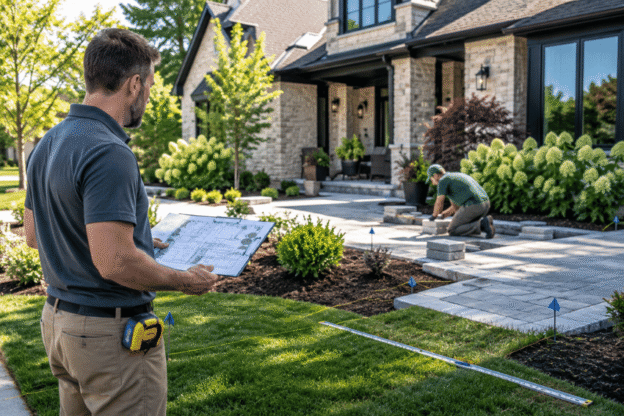
A site survey is where the project becomes real. Depending on the scope, the survey process may include:

  • Measurements and property layout
  • Grade and drainage observations
  • Existing features and constraints
  • Utility awareness and site access planning
  • Photo documentation for design work

This step matters because accurate measurements prevent design surprises later and help installation crews build exactly what was planned.

Step 3: Concept Design and Layout Planning

Once the site is documented, design moves into concept planning. This is where your space gets structured.

Concept design typically includes:

  • Layout options for patios, walkways, beds, and key features
  • Planting concepts and screening ideas
  • Circulation and access planning
  • Drainage considerations tied to the layout
  • Material direction that matches your style

This stage is also where the best ideas get refined. A good design process allows time for feedback and adjustment, so you are not forced into rushed decisions.

Step 4: Material Selection and Budget Alignment

After the concept is approved, the project moves into detailed decisions and pricing.

This often includes selecting:

  • Pavers, stone, or wall systems
  • Edging and border details
  • Steps and grade-change solutions
  • Lighting packages and fixture types
  • Plant sizes and palette direction
  • Drainage components, if needed

In Chicagoland, material selection also needs to consider freeze-thaw durability and long-term maintenance expectations.

Step 5: Scheduling the Work, and Why Seasonality Matters

Scheduling is where Chicago reality shows up. Weather affects start dates, soil conditions, and how quickly certain phases can be completed.

Here is what to expect by season:

Late Winter to Early Spring

This is peak planning time. Design calendars fill quickly, and materials start to move more slowly as demand ramps up.

Best for:

  • Design work and approvals
  • Site planning and staging
  • Reserving install time early

Mid to Late Spring

This is where installation demand spikes. Crews are busy, and weather swings can cause schedule shifts.

Best for:

  • Hardscape installation once soil conditions allow
  • Planting once frost risk drops and soil warms

Summer

Summer is strong for installation, but heat can stress new plantings without good watering plans.

Best for:

  • Hardscape and structural features
  • Projects with a clear irrigation or watering strategy

Fall

Fall is excellent for many landscape installations, especially trees and shrubs. Cooler air reduces stress while the soil remains warm.

Best for:

  • Planting and establishment
  • Finishing phases before winter

Step 6: Installation Day, What the Build Typically Looks Like

Installation can vary by scope, but most design-build projects follow a sequence that protects the finished result.

Common phases include:

  • Site preparation and protection of existing areas
  • Excavation, grading, and base prep (for hardscape)
  • Drainage work as needed
  • Hardscape installation (patios, walkways, steps, walls)
  • Soil prep and planting
  • Mulch, edging, and final bed shaping
  • Lighting installation and testing
  • Final clean-up and site reset

The best installs look organized. The site is staged properly, materials are handled safely, and each phase supports the next.

Step 7: Punch List and Final Walkthrough

A punch list is the final quality step. It ensures details are finished, corrected, and confirmed.

Punch list items often include:

  • Level checks and alignment details
  • Edge restraint verification
  • Jointing and finishing work
  • Planting adjustments or replacements if needed
  • Lighting aim and performance checks
  • Final cleanup and site review

This is where a project goes from “mostly done” to “fully finished.”

What You Can Do to Help Your Project Run Smoother

If you want a smoother process and better outcome:

  • Start planning early, especially for spring installs
  • Be clear about priorities and budget
  • Choose materials that match Chicagoland’s durability needs
  • Expect weather-related schedule adjustments
  • Ask about watering and establishment plans for new plantings

A good landscape designer and installation team will guide you through decisions without overwhelming you.

A Clear Process Creates Better Results

Landscape design and installation near Chicago is most successful when the project follows a structured design-build process, from site survey through punch list. That structure protects your budget, your timeline, and the final quality.

If you are planning a landscape project in the Chicago area or on the North Shore, Martin John Company can help you move from ideas to installation with a process built for our seasonality.

Contact us to start the design-build conversation and schedule a site visit.
Illinois Grass Types and How to Choose Turf That Survives Chicagoland Summers

A lawn that looks great in May can struggle by July if the grass type is not a match for Chicagoland’s heat, humidity swings, and occasional dry stretches. That is why understanding Illinois grass types matters. The grass you choose affects how your lawn handles summer stress, how much water it needs, how it tolerates shade, and how much maintenance it requires.

In the Chicago area, most lawns rely on cool-season grasses. They grow best in spring and fall, then slow down during the hottest weeks of summer. The goal is not to “fight” that cycle. The goal is to pick the right turf, manage it well, and set realistic expectations so your lawn stays resilient through the season.

Below is a practical guide to common turf options in Illinois, how to choose based on your property, and what we see most often in Libertyville and Lake Forest lawns.

Cool-Season Grasses, The Foundation of Most Chicago Lawns

Cool-season turf is common in northern Illinois because it handles cold winters well and rebounds strongly in spring and fall. The tradeoff is summer: heat and drought can cause stress, browning, and thinning if the lawn is not healthy and properly maintained.

The most common cool-season grasses you will hear about in Illinois include:

  • Kentucky bluegrass
  • Perennial ryegrass
  • Fine fescue
  • Tall fescue

Most lawns are blends, not a single grass type, because blends balance strengths and weaknesses.

Common Illinois Grass Types and What They Are Good At

Kentucky Bluegrass

Kentucky bluegrass is popular because it creates a dense, attractive lawn and can self-repair through spreading growth.

Strengths:

  • Great appearance and density
  • Can recover from damage over time
  • Performs well with consistent care

Considerations:

  • Higher water needs during heat
  • Can struggle in heavy shade
  • Needs good maintenance to stay strong in summer

Best fit: Sunny lawns where appearance is a priority and irrigation or consistent watering is possible.

Perennial Ryegrass

Perennial ryegrass is often included in mixes because it germinates quickly and helps establish turf fast.

Strengths:

  • Fast germination and quick fill-in
  • Strong early-season color
  • Good for overseeding and repairs

Considerations:

  • Less drought-tolerant than some options
  • Can be more disease-prone in certain conditions

Best fit: Blends where quick establishment matters, or for overseeding thin areas.

Fine Fescue

Fine fescues are known for shade tolerance and lower input needs.

Strengths:

  • Performs better in shade than many grasses
  • Lower fertilizer needs
  • Can handle lower mowing frequency

Considerations:

  • Not ideal for heavy foot traffic
  • Can thin out in full sun plus heat stress

Best fit: Shadier lawns, wooded properties, and areas where low maintenance is the priority.

Tall Fescue

Tall fescue is often chosen for toughness. It has deeper roots than many cool-season grasses, which can help with drought tolerance.

Strengths:

  • Better heat and drought tolerance than bluegrass
  • Handles traffic reasonably well
  • Good durability in summer

Considerations:

  • Coarser texture than bluegrass
  • Does not spread and self-repair the same way bluegrass does

Best fit: Sunny to mixed sun lawns where summer durability matters.

How to Choose Turf Based on Sun and Shade

Grass selection should start with your property’s light conditions. This is where many lawns go wrong.

Full Sun Lawns

For full sun, look for mixes that emphasize:

  • Kentucky bluegrass and tall fescue blends
  • Heat and drought-tolerant varieties
  • Good disease resistance

Full sun lawns can look excellent, but they also show stress fastest in summer if watering and mowing are not consistent.

Partial Shade Lawns

For partial shade, you typically want:

  • Blends that include fine fescues
  • Varieties chosen for shade performance
  • Realistic expectations for density under trees

If shade is heavy, turf may never be the best solution in certain areas. Groundcover or bed expansions can be the smarter long-term choice.

Heavy Shade Lawns

In heavy shade, turf struggles. If you are fighting bare patches under mature trees, the better strategy may be:

  • Adjusting the landscape design with shade-tolerant planting beds
  • Creating mulched areas where turf cannot thrive
  • Reducing competition by improving soil and managing roots carefully

A landscape designer can help you choose a solution that looks intentional rather than patchy.

Maintenance Expectations, What a “Healthy” Lawn Actually Needs

No grass type is magic. Most lawns that survive Chicagoland summers share the same fundamentals.

Mowing

  • Keep mowing height higher in summer to protect roots
  • Avoid cutting too short, especially during heat stress
  • Keep blades sharp to reduce tearing and disease risk

Watering

  • Water deeply and less often, rather than shallow daily watering
  • Adjust based on rainfall and soil conditions
  • Focus on consistency during peak summer stress weeks

Soil and Aeration

Compacted soil is a common reason lawns decline in summer. Aeration and soil improvement help turf hold water and nutrients more effectively.

Overseeding

Cool-season lawns often benefit from fall overseeding. Spring can work in some cases, but fall is typically the best time to rebuild density for next summer.

What We See Most Often in Libertyville and Lake Forest Lawns

In North Shore communities like Libertyville and Lake Forest, we commonly see:

  • Mixed turf with bluegrass and ryegrass in sunnier front yards
  • Shadier backyard sections that thin under mature trees
  • Compaction from foot traffic and seasonal moisture swings
  • Areas along sidewalks or driveways impacted by salt exposure

For many properties, the best “fix” is not a brand-new grass type. It is a better maintenance plan that matches the site conditions, including shade, drainage, and soil compaction.

Choose Turf That Matches Your Property, Not Just a Label

Understanding Illinois grass types helps you make smarter decisions about turf, watering, and long-term maintenance. The right mix, paired with the right care, can keep your lawn resilient through Chicagoland summers instead of constantly recovering from them.

If you want help diagnosing your lawn and choosing the right approach for sun, shade, and durability, Martin John Company can help you build a plan that fits your property conditions and your goals.

Contact us to schedule a turf assessment for your North Shore property.

Chicago Growing Zone Explained and What It Means for Planting Success

If you have ever bought a plant that looked great at the garden center and then struggled the first winter, you are not alone. In Chicagoland, planting success depends on more than watering and sunshine. The biggest factor is choosing plants that match our climate, our temperature swings, and our winter realities.

That is where the Chicago growing zone comes in. Understanding your zone helps you pick plants that can survive winter temperatures, time your planting correctly, and design landscapes that thrive year after year, especially on the North Shore, where wind exposure and salt can add extra stress.

Below is a clear explanation of what Chicago’s growing zone means, how it affects planting dates, and a short list of reliable plants that perform well in North Shore conditions.

What Is a Growing Zone?

A growing zone is a climate category based on the average annual minimum winter temperature in a region. It is used to estimate which plants are likely to survive winter in that area.

When you see a plant label that says “Hardy to Zone 5,” that means it can typically handle the cold temperatures that Zone 5 regions experience.

The key point is this: a plant can be healthy all summer and still fail if it is not hardy for your winter lows.

What Is the Chicago Planting Zone?

The Chicago area generally sits around Zone 5 and Zone 6, with variations depending on proximity to Lake Michigan and local microclimates. Some areas are slightly warmer due to the lake’s moderating effect, while inland suburbs can experience colder lows.

For North Shore communities like Lake Forest and Libertyville, it is smart to plan with winter exposure in mind. Even if your broader area maps to a slightly warmer zone, your property may behave colder because of:

  • Open wind exposure
  • Low-lying areas where cold air settles
  • Lack of evergreen windbreaks
  • Salt exposure along roads and driveways

When in doubt, choosing plants hardy to the colder end of your likely zone range is a safer strategy.

How the Chicago Growing Zone Affects Plant Selection

1) Cold tolerance is the baseline

Zone tells you whether the plant can survive the coldest part of winter. If a plant is not rated for your zone, it may die back, fail to flower, or decline over time.

2) Winter conditions matter beyond temperature

Chicagoland winters are not only cold. They are also:

  • Windy
  • Dry (winter desiccation is real)
  • Full of freeze-thaw cycles
  • Harsh on evergreens near salt

So plant selection should factor in toughness, not just a zone rating.

3) The right plant in the wrong place can still fail

A Zone-hardy plant can still struggle if it is planted in the wrong exposure or soil conditions. Examples:

  • Full sun plants located in deep shade
  • Plants that need well-drained soil are placed in wet areas
  • Tender evergreens exposed to winter wind without protection

A landscape designer will typically match plant choice to both climate and site conditions.

How the Chicago Growing Zone Affects Planting Dates

Zone helps you understand when it is safe to plant, but timing also depends on soil temperature and late frost risk.

Here is a practical way to think about planting windows in Chicagoland:

Spring planting

Spring is one of the best times to plant because it gives roots time to establish before the summer heat. The goal is to plant when:

  • The soil is workable and not saturated
  • Hard freezes are mostly behind us
  • New growth is starting, but not stressed

Summer planting

Summer planting can work, but it requires more consistent watering and careful plant selection. Heat stress is the biggest risk, especially for new shrubs and trees.

Fall planting

Fall can be an excellent planting season for trees and shrubs because temperatures cool down while the soil stays warm. Roots can establish before winter if planted early enough.

For North Shore properties, fall planting should consider wind exposure and winter protection for certain evergreens.

Reliable Plants for North Shore Chicago Conditions

Below is a short list of plants that are commonly reliable in Chicagoland landscapes, especially when installed and maintained properly. Your exact selection should always consider sun, soil, and drainage on your property.

Reliable shrubs and evergreens

  • Boxwood (choose hardy varieties and protected placements)
  • Arborvitae (excellent for screening, placement matters)
  • Juniper (tough, salt-tolerant options available)
  • Hydrangea (variety choice matters for bloom reliability)
  • Ninebark (hardy and low maintenance)

Reliable perennials and ornamental grasses

  • Coneflower (Echinacea)
  • Black-eyed Susan (Rudbeckia)
  • Daylily (great for durability)
  • Hostas (for shade areas)
  • Switchgrass (Panicum)
  • Feather Reed Grass (Calamagrostis)

Reliable trees for structure

  • Serviceberry
  • Crabapple (select disease-resistant varieties)
  • Maple (site selection matters for roots and moisture)
  • Oak (excellent long-term structure, slower growth)

This is not an exhaustive list, but it is a strong starting point for landscapes designed to last.

A Practical Way to Use Zone Info Without Overthinking It

Growing zone is a tool, not a guarantee. For best results:

  • Choose plants hardy to your region, especially for winter lows
  • Consider wind, sun exposure, and salt
  • Time planting based on soil conditions, not only the calendar
  • Build a planting plan that includes structure, not just seasonal color

When you treat your landscape like a long-term system, results become more predictable and less stressful.

Design for Chicago, Plant for Success

Understanding the Chicago growing zone helps you make smarter planting choices, avoid costly replacements, and build a landscape that performs season after season.

If you are planning new plantings or a landscape refresh for a North Shore home or business, Martin John Company can help you select plants that fit your property conditions and your goals.

Contact us to start a planting plan designed for Chicago’s climate.

Landscape Maintenance in Chicago and the Spring Checklist That Prevents Expensive Fixes

Spring in Chicagoland can feel like a sprint. One week you are still seeing salt residue and frozen beds, and the next week everything is growing fast. That swing is exactly why landscape maintenance in Chicago needs a smart plan.

A solid spring checklist helps you get ahead of common issues that lead to expensive fixes later, like weak turf, plant stress, drainage problems, and beds that turn into weed factories by June.

Below is a step-by-step checklist you can use for North Shore properties, including Libertyville and Lake Forest. It covers cleanup, edging, bed prep, pruning timing, turf assessment, and scheduling, so your landscape starts the season healthy and stays that way.

Step 1: Start With a Property Walk-Through

Before any major work, walk the property and note what winter revealed:

  • Areas where snowmelt pooled or drained poorly
  • Salt damage along drives, sidewalks, and entries
  • Broken branches or split shrubs
  • Settling or heaving near walkways and patios
  • Thin turf areas and early signs of compaction

This five-minute walkthrough can prevent you from repeating last year’s problems.

Step 2: Spring Cleanup, Do Not Rush It

Spring cleanup is essential, but timing matters. Jumping in too early can damage turf and compact wet soil.

A good spring cleanup usually includes:

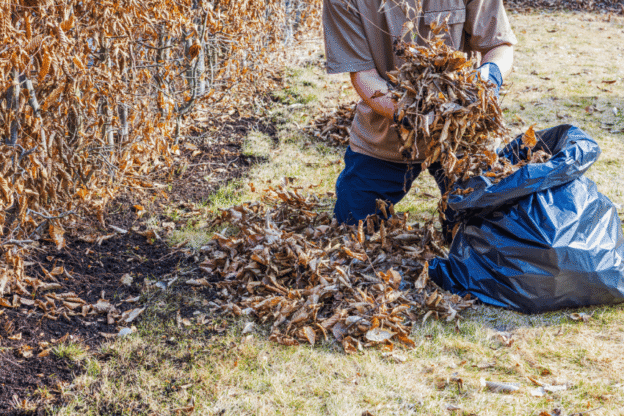
  • Removing leaves, twigs, and debris from beds and turf
  • Cutting back perennials and ornamental grasses at the right time
  • Clearing out dead growth while protecting new shoots
  • Cleaning up winter-damaged plant material
  • Resetting bed lines and borders that shifted over winter

If the ground is still saturated, focus on light debris removal first and save heavier work for when the soil can handle it.

Step 3: Edging, Bed Lines, and Mulch Prep

Clean bed edges instantly improve curb appeal, but they also reduce weed creep and make maintenance easier.

Spring bed prep should include:

  • Re-establishing crisp bed lines
  • Removing early weed growth before it spreads
  • Loosening compacted top layers carefully
  • Preparing for mulch installation with a clean base

Mulch is not just decoration. Done correctly, it helps retain moisture, moderate soil temperature, and reduce weeds. Done incorrectly, it can trap moisture against stems and invite problems.

Step 4: Pruning Timing, Cut the Right Things at the Right Time

One of the biggest spring mistakes is pruning everything just because it is spring. Pruning timing depends on the plant type and when it blooms.

General guidance:

  • Remove dead, damaged, or crossing branches early
  • Save pruning for spring-flowering shrubs until after they bloom
  • Avoid aggressive pruning that stresses plants before new growth is established

If you are unsure, a professional landscape maintenance team can help you avoid pruning that removes this year’s flowers or weakens the plant.

Step 5: Turf Assessment, Set Up a Strong Lawn Season

Spring is the time to evaluate what your turf actually needs, not what it “usually gets.”

Key turf assessment points:

  • Identify thin areas and why they are thin (shade, compaction, drainage, salt)
  • Check for early weed pressure
  • Look for drainage issues that will cause summer stress
  • Decide whether overseeding makes sense and when to schedule it
  • Plan fertilizer timing based on turf condition, not habit

If you are in Libertyville or Lake Forest, spring timing windows can shift based on microclimates and exposure, so scheduling matters.

Step 6: Check Drainage and Downspout Discharge

Drainage issues often show up most clearly during spring melt and early rains. This is the moment to address them.

Look for:

  • Water pooling near foundations
  • Erosion channels in beds or lawn areas
  • Downspouts dumping water into planting beds
  • Low spots that stay soggy

Even small drainage adjustments can protect turf and reduce plant stress through summer.

Step 7: Schedule the Season Early, Especially for North Shore Properties

Spring calendars fill fast. To avoid rushed work and missed timing, plan early for:

  • Spring cleanup and bed prep
  • Mulch installation
  • Pruning visits
  • Turf treatments and overseeding
  • Seasonal planting refreshes
  • Ongoing maintenance frequency

Early scheduling also helps homeowners and HOAs maintain consistent standards through peak season.

A Simple Spring Timeline for Libertyville and Lake Forest

Here is a practical way to stage your spring maintenance:

Early Spring

  • Property walk-through
  • Light cleanup and debris removal
  • Identify winter damage and drainage issues

Mid Spring

  • Full cleanup and bed prep
  • Edging and mulch installation
  • Targeted pruning based on plant type
  • Turf assessment and first key treatments

Late Spring

  • Overseeding if needed
  • Seasonal planting and finishing details
  • Regular mowing and bed maintenance cadence

The Payoff, Fewer Fixes, Better Growth, Cleaner Results

Spring maintenance is not about making everything look “fine” for a week. It is about setting a foundation that prevents expensive repairs later, like:

  • Replacing stressed shrubs that never recovered from winter
  • Paying for emergency drainage work mid-season
  • Fighting weeds that took over because beds were not prepped
  • Trying to fix thin turf after it is already struggling in the summer heat

A checklist keeps the season proactive instead of reactive.

Start the Season With a Maintenance Plan That Protects Your Landscape

If you want landscape maintenance in Chicago to be smoother, spring is the time to plan it correctly. A well-timed checklist helps your property look better, stay healthier, and cost less to maintain over the long run.

Martin John Company supports North Shore homeowners, HOAs, and businesses with maintenance plans that match the realities of Chicagoland weather.

Contact us to schedule spring maintenance and get your property ready for the season.

Chicago Landscaper Services Explained for North Shore Homes and Businesses

Late winter is decision season on the North Shore. Homeowners and property managers in Libertyville, Lake Forest, and nearby communities start lining up spring maintenance, planning landscape improvements, and locking in schedules before the rush hits.

If you are searching for Chicago landscaper services, you will quickly notice that “landscaping” can mean very different things depending on the company. Some crews handle basic mowing only. Others provide true full-service support that includes design, maintenance, seasonal services, and even coordination for hardscape installation.

This guide breaks down what full-service landscaping typically includes, why it matters, and what to ask before you commit, so you can hire the right team for your property.

What Full-Service Landscaping Typically Includes

A full-service approach means you are not hiring a one-task crew. You are working with a team that can manage your landscape as a system across the year, with consistent standards and a plan that matches your goals.

Below are the most common services included in full-service Chicago landscaping.

Landscape Design Support

Design is not only for major renovations. A good landscaping company can help you plan improvements that fit your property and budget, such as:

  • Foundation plantings and bed redesigns
  • Screening for privacy and wind protection
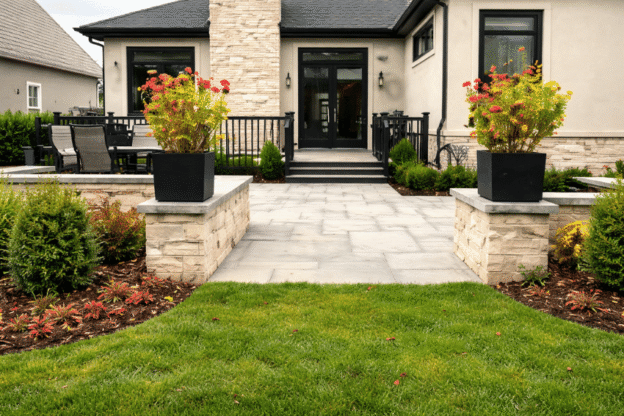
  • Front entry and curb appeal upgrades
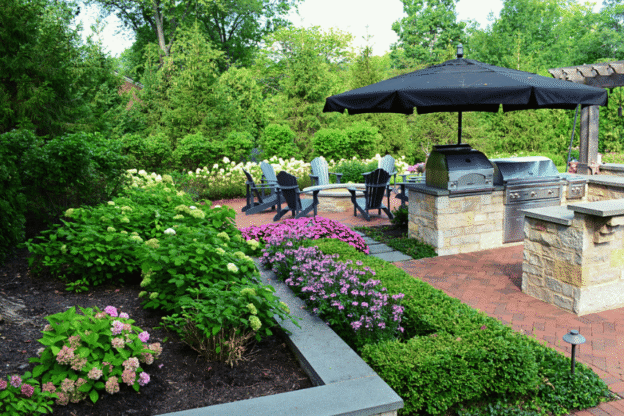
  • Outdoor living layouts that pair plants with hardscapes
  • Lighting concepts that improve safety and aesthetics

For North Shore properties, design should also account for seasonality, salt exposure, and the architectural style of the home.

Landscape Maintenance Services

Maintenance is the backbone of a healthy landscape. Full-service landscape maintenance services often include:

  • Lawn mowing and edging
  • Bed maintenance and weed control
  • Mulching and bed prep
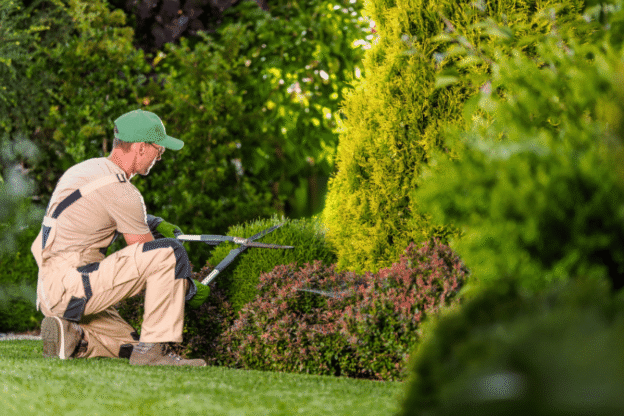
  • Seasonal pruning and shaping
  • Fertilization and plant health support
  • Turf care and overseeding plans

For businesses, maintenance standards also affect customer impression and site safety, especially along entrances, walkways, and parking areas.

Seasonal Services and Property Prep

Seasonal transitions in Chicagoland are not gentle. Full-service crews typically offer seasonal work such as:

  • Spring cleanup and bed prep
  • Fall cleanup and leaf management
  • Perennial cutbacks and ornamental grass trimming
  • Seasonal planting updates (annuals, containers)
  • Winter protection and salt management strategies

These services help prevent bigger issues, like turf disease, plant loss, drainage problems, and expensive replacements later.

Hardscape Coordination and Project Oversight

Many properties need both softscape and hardscape work, and coordination matters. A full-service provider may coordinate or manage:

  • Patio and walkway installation scheduling
  • Planting plans that complement new hardscapes
  • Drainage planning tied to hardscape projects
  • Lighting and irrigation adjustments after construction

This reduces the “multiple contractors stepping on each other” problem and helps projects finish cleaner.

Drainage and Grading Awareness

Not every landscaper is a drainage expert, but a good team should recognize drainage issues and guide you toward solutions. In Chicagoland, ignoring drainage is one of the fastest ways to waste money on landscaping.

Full-service support often includes:

  • Identifying low spots and water pooling
  • Recommending grading adjustments
  • Planning downspout discharge routes
  • Coordinating drainage solutions when needed

Questions to Ask Before Hiring a Chicago Landscaper

A polished website does not guarantee consistent results. These questions help you understand what you are really getting.

1) What services are included, and what is considered extra?

Ask for clarity on what is included in your base contract, and what triggers additional cost, such as:

  • Seasonal cleanup scope
  • Mulch installation and bed edging
  • Plant replacement policies
  • Pruning standards (what, when, how often)

2) Who will manage my property and communicate with me?

Consistency matters. Ask:

  • Do you have a dedicated point of contact?
  • How do service updates and issues get reported?
  • How quickly do you respond during peak season?

3) How do you handle seasonal timing in Libertyville and Lake Forest?

Timing is everything in spring. Ask how they schedule:

  • Spring cleanup windows
  • Pruning timing by plant type
  • Turf assessments and overseeding
  • Mulch and bed prep sequencing

4) What is your approach to plant health and long-term performance?

A quality team should talk about:

  • Soil conditions and fertility planning
  • Proper pruning practices
  • Salt exposure and winter damage prevention
  • Watering strategies for new plantings

5) Can you coordinate design improvements and installation work?

Even if you start with maintenance, you may want upgrades later. Ask:

  • Can you support design planning?
  • Can you coordinate installation schedules?
  • Do you provide phased improvement plans?

Why Late Winter Is the Right Time to Choose

By the time spring hits, the best crews are already booked. Late winter planning helps you:

  • Lock in your preferred service schedule
  • Avoid rushed decisions when problems appear
  • Plan improvements before spring material demand spikes
  • Start the season with a landscape that is ready, not reactive

Choose Landscaping Support That Matches Your Property’s Standards

Full-service Chicago landscaper services should feel like a partnership, not a guessing game. Whether you manage a North Shore home or a commercial property, the goal is the same: consistent results, seasonal readiness, and smart planning that protects your investment.

If you are looking for a team that handles design, maintenance, seasonal services, and coordination with long-term standards in mind, Martin John Company is ready to help.

Contact us to discuss landscaping services for your property in Libertyville, Lake Forest, and the North Shore.

What Hardscaping Is and Why It Matters for Chicago Yards and Commercial Properties

If you have ever walked across a paver path, sat on a patio, or noticed a retaining wall holding a slope in place, you have experienced hardscaping. It is one of the most important parts of landscape design in the Chicago area, especially because our weather and soil movement can be tough on outdoor spaces.

For homeowners, hardscaping can create usable outdoor living areas, improve curb appeal, and reduce muddy problem zones. For commercial properties, it can improve safety, access, and long-term maintenance costs. In both cases, the right approach must account for drainage and freeze-thaw performance.

This guide explains what hardscaping is, how it works with your landscape, and why it is such a smart investment in Chicagoland.

What Is Hardscaping?

Hardscaping refers to the built, non-living elements of a landscape. Unlike plants and turf, hardscape features are made from materials like stone, concrete, brick, or wood.

Common hardscape features include:

  • Patios
  • Walkways and paths
  • Driveway aprons and entry pads
  • Steps and landings
  • Retaining walls
  • Seating walls
  • Edging and borders
  • Outdoor kitchens and fire features
  • Courtyards and plazas

Hardscaping services often include both design and installation, because the layout and construction quality matter just as much as the final look.

Why Hardscaping Matters in Chicago

Chicago yards and commercial sites face several challenges that hardscaping can solve, especially when designed and installed correctly.

1) It improves drainage and helps manage water

Water is a major issue in Chicagoland, especially in spring melts and heavy rains. Poor drainage can lead to:

  • Standing water near foundations
  • Erosion on slopes
  • Muddy walkways and unusable yard space
  • Ice buildup and safety hazards in winter

Hardscape construction can include grading, surface slope planning, permeable options, and drainage systems that move water where it should go.

2) It creates functional space you can actually use

A yard can look nice and still be hard to live in. Hardscaping defines areas and makes outdoor spaces usable.

Examples:

  • A patio creates a stable area for dining and seating
  • A walkway provides safe access from the driveway to the entry
  • Steps make slopes navigable and reduce wear paths
  • A retaining wall can transform a steep grade into a flat terrace

For commercial properties, this can mean safer pedestrian flow and better accessibility.

3) It reduces long-term maintenance

Some properties spend too much time battling problem zones like ruts, muddy areas, or turf that never thrives. Hardscape can reduce maintenance by:

  • Replacing hard-to-grow grass areas with patios or paths
  • Controlling erosion so mulch and soil stay in place
  • Creating clean edges that simplify mowing and trimming
  • Improving access for property maintenance and snow removal

4) It boosts curb appeal and property value

Well-designed hardscape designs can make a home feel more complete and intentional. For commercial sites, it can elevate brand impression and create a more welcoming entry.

Hardscape often becomes the visual framework that ties everything together, especially when paired with thoughtful planting.

Hardscaping Examples That Work Well in Chicagoland Freeze-Thaw Climates

Some hardscape is especially common in our region because they solve typical Chicago-area problems.

Walkways

Walkways improve safety and reduce winter hazards when properly designed.

  • Use durable materials designed for freeze-thaw
  • Plan gentle slopes and avoid water pooling
  • Include lighting for early sunsets and winter visibility

Patios

Patios create an outdoor living space without the upkeep of turf.

  • Choose materials that resist shifting and cracking
  • Build on a properly compacted base
  • Plan drainage away from the home

Retaining Walls

Retaining walls help manage slopes and protect against erosion.

  • Must include drainage behind the wall
  • Need correct base depth and compaction
  • Should be designed for long-term stability, not just appearance

Steps and Landings

Steps are a safety feature first, and a design feature second.

  • Proper rise and run improves comfort and reduces tripping risk
  • A stable base and drainage prevent settling
  • Surface texture can improve winter traction

Hardscaping and Landscaping Work Better Together

Hardscaping is not meant to replace plants. The best results come when hardscape and landscaping support each other.

Hardscape features:

  • Define structure and movement
  • Create usable zones
  • Control water and grade changes

Landscaping elements:

  • Add softness and seasonal interest
  • Provide privacy and shade
  • Bring color, texture, and ecological value

When a landscape designer plans these together, the result feels cohesive and performs better across seasons.

What to Look for in Hardscaping Services

Because hardscaping involves excavation, grading, compaction, and drainage, installation quality matters. When evaluating hardscaping services, look for:

  • A design process that considers drainage and grading
  • Clear base prep standards, not vague promises
  • Material options that match Chicagoland conditions
  • Experience with freeze-thaw performance
  • Transparent scope and timeline for hardscape installation

A great-looking hardscape that is installed poorly will eventually show problems. A well-built hardscape tends to look good for years.

When Should You Plan a Hardscaping Project?

Many people start researching in winter and early spring, and that is smart. It gives you time to:

  • Define your goals and budget
  • Choose between design options
  • Confirm materials and schedule
  • Be ready to install when the weather allows

If you want your project completed early in the outdoor season, planning ahead can make a big difference.

Build a Strong Foundation for Your Outdoor Space

So, what is hardscaping? It is the structural, built part of your landscape that improves function, drainage, safety, and long-term value. In Chicago, it matters even more because freeze-thaw cycles and water movement demand better construction standards.

If you are exploring patios, walkways, retaining walls, or a full hardscape redesign, Martin John Company can help you plan and build a solution that fits your property and performs in our climate.

Reach out today to discuss your goals and get a hardscape plan in motion.

Hardscape Designs That Work in Chicagoland and Stay Durable Through Freeze-Thaw

In Chicagoland, a beautiful patio or walkway is not enough. If it is not built for freeze-thaw cycles, it will shift, crack, or settle long before it should. From the first deep freeze to early spring melt, the ground expands and contracts repeatedly, and that movement tests every layer of your hardscape.

The good news is that long-lasting results are very achievable with the right hardscape designs, the right materials, and most importantly, the right base and drainage strategy. Whether you are planning a residential outdoor living space or improving access and appearance for a commercial property, the details below will help you understand what actually holds up in our climate.

Why Freeze-Thaw Is Hard on Hardscapes in Chicago

Freeze-thaw damage is usually not about the surface pavers themselves. It is typically caused by moisture and movement underneath.

Here is what happens:

  • Water moves into the base or soil under your hardscape
  • Temperatures drop, and that water freezes, expanding the ground
  • Temperatures rise, and the ice melts, leaving voids and soft spots
  • Over time, pavers shift, edges spread, and slabs tilt or crack

A durable design starts with controlling water and stabilizing the base so those cycles have less impact.

Hardscape Design Patterns That Perform Well in Chicagoland

Good patterns are not just about style. They can improve stability, reduce visible shifting, and make maintenance easier. Here are several options that work especially well for patios, walkways, steps, and retaining edges.

1) Running Bond

Running bond is a classic pattern that is clean, versatile, and works well for walkways and patios. Because the joints are staggered, minor movement is less noticeable over time.

Best for:

  • Walkways and side yards
  • Patio areas with simple layouts
  • Narrow spaces where a clean look matters

2) Herringbone

Herringbone is one of the strongest paver patterns for areas that see traffic, especially driveways and high-use paths. The interlocking angles distribute force well and help resist shifting.

Best for:

  • High-traffic walkways
  • Courtyards and functional patios
  • Areas where durability is a top priority

3) Basketweave

Basketweave can give a traditional look that pairs nicely with many North Shore homes. It is also forgiving visually if small settling occurs.

Best for:

  • Classic patio spaces
  • Garden paths and transitions
  • Projects where a timeless look matters

4) Large Format Slabs with Proper Jointing

Large format slabs look modern and clean, but they must be installed on a base that is designed for stability. Joint spacing, leveling, and drainage are critical because slab movement is more noticeable than with smaller pavers.

Best for:

  • Contemporary patios
  • Commercial entries
  • Clean-lined outdoor seating areas

Design Notes for Patios, Walkways, Steps, and Retaining Edges

Patios

For patios, the right design improves both comfort and performance.

  • Plan a gentle slope away from the home for drainage
  • Include clear transitions at doors and thresholds
  • Consider border courses to help lock the field pavers in place
  • Use edge restraint to prevent spreading over time

Walkways

Walkways in Chicago should be designed for safety and long-term stability.

  • Avoid tight turns that encourage cutting corners and erosion
  • Use consistent widths for comfortable passing
  • Add subtle lighting for winter visibility
  • Consider textured surfaces where snow and ice are common

Steps

Steps often fail first if the base or drainage is wrong.

  • Build steps with proper rise and run for comfort
  • Use materials that can handle de-icing exposure
  • Design for water shedding, not pooling
  • Tie step construction into the same stable base system as the rest of the hardscape

Retaining Edges and Borders

Retaining edges and borders hold the whole system together.

  • Use structural edging or curb restraints
  • For retaining walls, include proper backfill and drainage behind the wall
  • Design wall height and layout to match soil conditions and load needs
  • Avoid shortcuts on the geogrid reinforcement when the wall requires it

Drainage and Base Prep: The Real Key to Longevity

If you remember one thing, make it this: the base and drainage plan determine whether your hardscape lasts.

Base Prep Essentials

A durable hardscape installation typically includes:

  • Excavation to the right depth for your application
  • Compacted aggregate base in lifts (not dumped all at once)
  • Proper grading so water moves away from structures
  • A bedding layer that supports leveling without becoming unstable
  • Edge restraints installed correctly to lock everything in

Skipping steps or underbuilding the base is one of the most common reasons hardscapes fail in freeze-thaw climates.

Drainage Strategies That Protect Your Investment

Drainage is not an add-on. It is part of the design.
Consider options such as:

  • Slope planning and surface drainage
  • Permeable pavers, when appropriate
  • Channel drains in problem areas
  • Downspout extensions and discharge planning
  • Catch basins where water naturally collects

Good hardscaping services account for your property’s water patterns first, not last.

Material Choices That Make Sense in Chicagoland

The best material is one that matches your style and your site conditions.
Common durable options include:

  • Concrete pavers designed for freeze-thaw performance
  • Natural stone with proven local suitability
  • Segmental retaining wall systems with engineered specs
  • Quality jointing sand or joint stabilization products for heavy-use areas

Your hardscape construction plan should also consider salt exposure, especially on commercial properties and front entries.

Planning Tip: Start Early for the Best Spring Schedule

Outdoor living planning ramps up quickly as spring approaches. If you want your project installed before peak summer, early planning helps you lock in design, materials, and schedule.

A thoughtful design process now leads to fewer surprises later, and better results that last through many Chicago winters.

Build Hardscapes That Look Great and Stay Put

Strong hardscape designs are a mix of aesthetics, engineering, and experience. When drainage, base prep, and pattern selection work together, you get a finished space that holds up year after year.

If you are considering patios, walkways, steps, or retaining edges in Chicagoland, Martin John Company can help you plan and install a hardscape that is built for our climate.

Contact our team to discuss your project and schedule a site visit.

Landscape Designs That Complement North Shore Architecture

A landscape that feels truly integrated with its house begins by echoing the building’s proportions, materials, and circulation. Along the North Shore, homes range from classic Tudors in Glencoe to lake-view contemporaries in Lake Bluff and gracious Colonials in Barrington. Each style suggests its own palette of plants, hardscape, and spatial rhythm. The ideas that follow show how to draw cues from architecture so garden rooms read like natural extensions rather than separate stages.

Reading the Lines of the House

Before thinking about plants or stone, study the house façade at different times of day. Note roof pitch, repeated window spacing, and major horizontal breaks such as water tables or porch rails. A tall gable invites an upright element nearby, perhaps a narrow tulip tree or a panel of espaliered fruit. Long, low rooflines ask for broader planting masses that keep the eye near ground level. Matching these visual weights ensures that neither house nor garden outshines the other.

Material Echoes That Feel Intentional

Brick to stone
A Flemish-bond brick exterior pairs well with walks paved in rumbled clay pavers or salvaged street brick. The color link is subtle yet powerful, making the path seem as though it has always been part of the property.

Stucco to gravel
Smooth stucco walls benefit from contrasting textures. Pea gravel courts reflect sunlight upward, brightening shaded façades and whispering underfoot in a way that feels at home with Mediterranean tones often used on North Shore stucco houses.

Modern metal to corten edging
Contemporary homes clad in zinc or aluminum panels gain cohesion when planting beds are outlined in weathering-steel strips. The warm patina softens the cooler façade while maintaining the sleek profile.

Aligning Movement Indoors and Out

Interior floor plates can guide exterior grade changes. Where a kitchen steps down to a sunken family room, the adjacent patio might drop a single riser, creating an uninterrupted sightline through glass doors. In Barrington, several riverside properties use this concept to stage broad limestone slabs that mirror interior thresholds. The result is a seamless transition that encourages barefoot wandering between the sofa and the lawn.

Planting to Frame Architectural Details

Rather than hiding foundations with continuous shrubs, choose focal placements that emphasize important elements. In Lake Bluff, a modern glass box bordered on one side by shore pines allows uninterrupted lake views, while a strategic cluster of Japanese maple brings privacy where bedroom windows face a drive. The contrast between transparency and shelter mirrors the mix of openness and enclosure in the building plan.

Seasonal Considerations

Winter exposes everything, so structural plants become critical. Columnar evergreens at principal corners keep the composition crisp after deciduous branches fall. Summer, meanwhile, calls for broad leaves that temper reflected glare from water or stone patios. Selecting species that shift color or texture from season to season supplies a quiet narrative that parallels changes indoors, such as rotating art or textiles.

Light as a Design Connector

Exterior fixtures should illuminate the same vertical planes celebrated indoors. Wall-wash sconces that graze stone chimneys outdoors can align in color temperature with pendants in an adjacent dining space. This synchrony unifies morning coffee on the terrace with evening meals inside, all within a single lighting language.

Moving Forward

Begin any integration project by walking through the house toward the yard. Open doors and imagine where the eye wants to rest. Sketch those destinations, then translate shapes and materials outward. When transitions feel inevitable rather than imposed, the boundary between architecture and landscape disappears, and the whole property reads as one thoughtful composition, welcoming in every season and expressive of the North Shore’s distinctive character.

Contact us today to schedule a free consultation. Together, we will craft a custom landscape design that integrates with your house’s architecture and beauty.

Seasonal Color in Front Gardens: Planning for Year-Round Blooms

Front gardens that stay vibrant from January through December do not rely on luck; they rely on thoughtful sequencing of plants that share the stage as the year unfolds. In communities such as Barrington, Highland Park, and Lake Bluff, the challenge is balancing strong winters, humid summers, and quick-changing shoulder seasons. The strategy below outlines how to layer bulbs, perennials, shrubs, and small trees so that something interesting greets visitors every week of the year.

Begin with a Calendar, Not a Plant List

Successful color planning starts by charting local bloom times. Note when snowdrops appear, when crabapples peak, and when the first hard frost usually arrives. This calendar becomes the backbone of the design, highlighting gaps that need attention. For example, many North Shore gardens look wonderful in late spring yet fade during August heat. Identifying that lull early guides choices toward late-summer performers such as coneflowers and black-eyed Susan.

Anchor the Scene with Four-Season Structure

Evergreens and ornamental grasses supply an essential backbone. Boxwood hedges or dwarf Japanese cedars frame entries even when beds lie dormant. Grasses like switchgrass or little bluestem stand tall after snowfall, their seed heads catching winter light. By treating the structure first, the garden never appears bare, and seasonal flowers can shine without having to carry the entire display.

Layer Bulbs for a Rolling Spring

Plant bulbs in tiers so each layer pushes up as the prior one fades:

  • Late winter – snowdrops and winter aconite slip through melting snow.

  • Early spring – dwarf iris and crocus add blues, purples, and golds.

  • Mid-spring – tulips and daffodils deliver bold color without crowding emerging perennials.

When bulbs are finished, their foliage can wither behind expanding hostas and ferns, hiding tired leaves while fueling next year’s flowers.

Choose Perennials by Peak Season

Think of perennials as the garden’s long-running cast. Aim for at least two star performers in every season.

  • Spring flowers – bleeding heart, brunnera, and lungwort handle cool nights and bright, low sun.

  • Early summer – salvia, catmint, and peony fill the gap before high summer heat.

  • High summer – daylily, coneflower, and bee balm thrive when temperatures climb.

  • Late summer to autumn – Russian sage, sedum, and Japanese anemone bridge the transition to fall foliage.

Inter-planting ensures one group’s fading stems are masked by another’s fresh display.

Add Shrubs for Foliage and Repeat Bloom

Shrubs provide mid-level mass and often flower more than once. Reblooming hydrangeas extend from June into September if deadheaded promptly. Viburnum adds fragrance in spring and berries for birds in late summer. In Barrington, where clay soil holds moisture, panicle hydrangeas tolerate wet springs; on Lake Bluff’s sandy ridges, dwarf spirea accepts quick drainage and salt spray from nearby roads.

Invite Autumn Fire without Waiting for Frost

Select plants whose fall color arrives gradually. Oakleaf hydrangea turns bronze before maples ignite red. Fothergilla glows orange while its neighbor, Virginia sweetspire, shifts to burgundy. Mixing foliage tones rather than relying on one brilliant tree spreads interest across several weeks.

Keep Winter Interesting

When blooms are impossible, texture and silhouette take over. Red-twig dogwood glows against snow, paperbark maple peels cinnamon curls, and dried allium heads mimic delicate sculptures. A front border that includes even two or three of these elements avoids the flat, empty look common in February.

Practical Tips for Seamless Transitions

  1. Match sun exposure – many front gardens face south or west, creating hot microclimates beside foundations. Group heat-loving perennials there and reserve cooler east beds for shade acanthus or hellebores.

  2. Stagger heights – place taller shrubs behind mid-height perennials, with ground covers fronting walkways. This stair-step profile lets every layer show without obstructing another.

  3. Repeat colors – echo a peony’s blush pink with fall anemone and winter heather. Repetition ties the sequence together, so the display feels deliberate rather than patchwork.

  4. Plan for maintenance – choose varieties that resist common pests and do not require weekly staking. A garden loses charm if peony stems collapse onto sidewalks after rain.

Fine-Tuning through the Year

Monitor beds each month. If June shows an orange-yellow dominance, slip in blue veronica later that season. When July roses pause between flushes, add annual zinnias for gap color. A notebook or phone photo log helps track what works and what needs revision next year.

Crafting Your Personal Palette

Every front garden tells a different story. A formal Georgian entry in Highland Park may call for symmetrical boxwood and white tulips, while a shingled cottage in Lake Bluff suits mixed grasses and prairie coneflowers. Begin with structural evergreens, add layered bloom cycles, then customize the color range to match architecture and personal taste.

Well-planned seasonal color rewards you with fresh views every time you pull into the drive. It welcomes guests, lifts spirits on gray days, and proves that thoughtful planting beats quantity every time. Ready to sketch your own twelve-month spectacle? Gather last year’s photos, note where interest lags, and let next season be the year your front garden stays in the spotlight from frost to frost.