Author Archives: Martin John Company

Drainage Solutions for Chicago Yards That Protect Lawns, Beds, and Hardscapes

If your yard turns into a sponge every time it rains, you are not imagining it. Chicagoland drainage issues are common, and they can quietly wreck lawns, planting beds, and even hardscapes over time. Standing water is not only annoying. It can lead to turf die-off, root rot, mosquito breeding, basement seepage, and shifting pavers.

The good news is that most problems are fixable with the right approach. The key is understanding what is causing the water to collect and choosing a solution that matches your property, soil, and slope.

Below are the most common drainage problems we see in Chicago-area yards, plus practical drainage solutions for yards in Chicago, including grading, swales, French drains, catch basins, permeable pavers, and rain gardens. You will also find a short site survey checklist to help you diagnose the issue before you spend money on the wrong fix.

Common Chicagoland Drainage Problems

Standing Water After Rain

If water sits on the lawn or in low spots for more than a day, it usually points to:

  • Poor grading
  • Compacted soil
  • High clay content
  • A blocked drainage path
  • Downspouts dumping too much water into one area

Clay Soil That Holds Water

Much of the Chicago area has clay-heavy soil. Clay drains slowly, compacts easily, and can create puddling even on mild slopes. In clay, drainage solutions often need to focus on both moving water away and improving how the soil behaves.

Downspout Discharge in the Wrong Place

One of the most common issues is also one of the simplest: downspouts releasing water right next to the foundation or into planting beds. That concentrated flow causes:

  • Erosion in beds
  • Saturated turf
  • Water near the home
  • Ice hazards in winter

Slope Issues and Runoff Channels

If you notice erosion lines or bare channels in the yard, runoff is moving fast, but not in a controlled way. That can wash out mulch, expose roots, and carry soil where it does not belong.

Hardscape-Related Drainage Problems

Hardscape can either solve drainage issues or make them worse. Common issues include:

  • Patios sloping toward the house
  • Water pooling on walkways
  • Settling pavers, creating low spots
  • Lack of proper base and drainage behind walls

Practical Drainage Solutions for Chicago Yards

The best drainage solution is the one that matches the cause. Below are common tools that work well in Chicagoland when designed and installed correctly.

1) Grading, The Foundation Fix

Grading is often the most effective fix because it changes where water naturally flows. It can involve:

  • Re-contouring low areas
  • Establishing a gentle slope away from the home
  • Creating a defined drainage path toward a safe outlet

Grading is especially useful when water is collecting due to subtle dips that are hard to notice until it rains.

2) Swales, Simple Channels That Guide Water

A swale is a shallow, shaped channel that directs water across the yard without looking like a ditch. Swales can be:

  • Turf swales that blend into the lawn
  • Rock-lined swales for heavier flow
  • Planted swales for a more natural look

Swales are great when you need to move water from a backyard to a side yard or a safe discharge area.

3) French Drains, For Subsurface Water Problems

French drains help capture and redirect water below the surface. They are often used when:

  • Water is trapped in a low area
  • The yard stays soggy even when it does not look visibly flooded
  • There is consistent seepage or saturated soil

A French drain can work well in clay, but it must be properly designed with correct slope, fabric, and outlet planning.

4) Catch Basins, For Surface Water Collection

Catch basins collect surface water at the problem point, then route it away through underground piping.

Catch basins are helpful when:

  • Water pools in the same spot every time
  • You need to capture runoff from hardscapes
  • A low point cannot be graded easily

They are often paired with other solutions like grading or swales.

5) Permeable Pavers, For Hardscape Areas That Pool Water

Permeable pavers allow water to move through joints and into a designed base system rather than running across the surface.

They can be a strong option for:

  • Patios with pooling issues
  • Walkways where water collects
  • Areas where you want better stormwater control without visible drains

In freeze-thaw climates, installation quality matters. The base system has to be right.

6) Rain Gardens, A Natural Stormwater Solution

Rain gardens are planted areas designed to capture and absorb runoff. They are not just decorative. They are functional.

Rain gardens work well when:

  • You have consistent runoff from roof lines or slopes
  • You want a natural-looking solution
  • You can direct water into a planted basin safely

They must be designed with appropriate plant choices and soil preparation for Chicagoland conditions.

A Quick Site Survey Checklist Before You Choose a Fix

Before selecting a solution, do a simple site survey after a rain event.

Drainage site survey checklist

  • Where does water pool, and how long does it stay?
  • Does pooling happen near the foundation or near hardscape?
  • Where do downspouts discharge, and is there erosion nearby?
  • Are there runoff channels or washed-out mulch areas?
  • Do you see low spots along patios or walkways?
  • Is the soil compacted, especially in high-traffic areas?
  • Where could water safely drain without causing issues?

Take photos and note patterns. Drainage problems are easier to solve when you can see the flow.

When to Call a Pro

Some drainage issues are simple, but others can get expensive if handled incorrectly. It is worth calling a professional when:

  • Water sits for days or kills turf repeatedly
  • You suspect grading issues near the home
  • Hardscape settling is involved
  • You need underground drainage with a reliable outlet
  • You want a long-term solution, not a temporary patch

A professional assessment helps you avoid spending money twice.

Protect Your Yard and Your Investment

Drainage affects everything: lawn health, planting success, and hardscape durability. If you are dealing with standing water, clay soil issues, or runoff problems, the right drainage solution can make your yard more usable and easier to maintain.

Martin John Company helps Chicago-area homeowners and North Shore properties diagnose drainage issues and build solutions that protect landscapes for the long term.

Contact us to schedule a drainage evaluation and discuss the right fix for your yard.
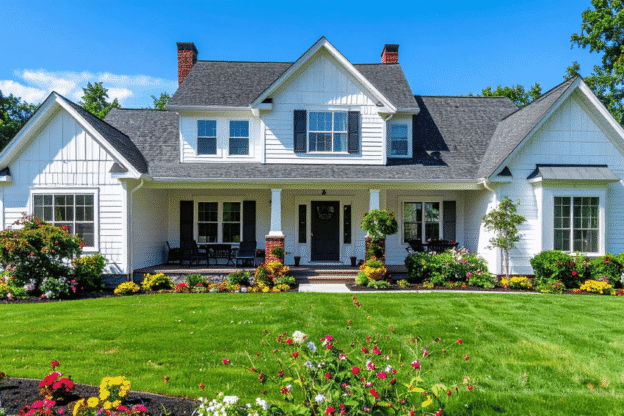
Chicago Front Yard Landscaping Ideas That Add Curb Appeal Without High Maintenance

Front yard landscaping in Chicago has to do two things at the same time: look great, and hold up to real life. Between spring rains, summer heat, fall leaf drop, and winter salt exposure, a front yard can either become a constant project or a clean, layered design that stays sharp with reasonable upkeep.

If you want Chicago front yard landscaping ideas that improve curb appeal without signing yourself up for endless maintenance, the strategy is simple: use structure, repeatable plant choices, and crisp edges so the yard looks intentional even when it is not in peak bloom.

Below are 10 practical ideas that work especially well for Chicago and North Shore homes, including Lake Forest and Libertyville.

1) Build Layered Beds Instead of Scattered Planting

Layered beds look more designed and are easier to maintain than random individual shrubs. A simple structure works well:

  • Taller shrubs or small trees in the back
  • Medium shrubs in the middle
  • Lower perennials and groundcovers in front

This creates depth, looks clean from the street, and reduces the need for constant “fill-in” planting later.

2) Add Evergreen Structure for Year-Round Curb Appeal

Evergreens are the secret weapon for Chicago curb appeal. They keep the front yard looking composed when everything else is dormant.

A good evergreen structure can come from:

  • Foundation plantings with evergreen anchors
  • Upright evergreens for framing the entry
  • Low evergreens for a consistent border shape

A landscape designer can also place evergreens to reduce wind exposure on more sensitive plants.

3) Upgrade Bed Edging for a Cleaner Look

Edging is one of the most underrated upgrades because it instantly makes a yard look maintained. Options include:

  • Crisp spade-cut edging for a natural look
  • Metal edging for modern, clean lines
  • Stone edging for traditional North Shore styles

Edging helps keep mulch in place, keeps turf from creeping into beds, and makes mowing easier.

4) Use Repetition, Not Variety, for a More “Designed” Look

A common mistake is using too many plant types. Repetition looks more intentional and usually reduces maintenance.

Instead of 20 different plants, use:

  • A limited palette of reliable shrubs
  • Repeated perennials in clusters
  • One or two accent plants for visual interest

Your landscape looks cohesive, and it becomes easier to maintain year after year.

5) Add a Simple Hardscape Accent Near the Entry

You do not need a full patio to add hardscape value. Small hardscape accents can elevate curb appeal, such as:

  • A widened front walk landing
  • A stone or paver border detail
  • A small seating or planter area near the entry

Hardscape accents also reduce muddy zones and improve usability.

6) Use Low-Maintenance Plant Palettes That Match Chicago Conditions

Low-maintenance does not mean boring. It means choosing plants that are reliable for our region and your specific site.

A strong low-maintenance palette often includes:

  • Hardy shrubs that hold shape with minimal pruning
  • Perennials that return reliably
  • Groundcovers that reduce weeds
  • Ornamental grasses for texture and movement

The goal is to reduce the “replant and replace” cycle.

7) Create a Defined Walkway Border for a Polished Look

A front walkway looks sharper when it has definition. Ideas include:

  • A narrow planting strip along the walk
  • A repeated low shrub border
  • A clean bed line with mulch and groundcover

It frames the entry experience and helps guide the eye to the front door.

8) Add Lighting for Safety and Nighttime Curb Appeal

Landscape lighting is both practical and aesthetic, especially in Chicago, where darker seasons feel long.

Simple lighting upgrades include:

  • Path lights for safe walking
  • Accent lighting on key trees or architectural features
  • Entry lighting that improves visibility and warmth

Lighting is also one of the fastest ways to make a front yard feel more premium without major construction.

9) Design With Salt Exposure in Mind

Front yards near sidewalks and driveways often deal with salt splash and snow storage. If salt is a factor, plan for it:

  • Use tougher plants closer to the drive edges
  • Avoid sensitive evergreens in high-salt zones
  • Create buffer space with hardscape or stone where needed

This reduces plant loss and spring replacement costs.

10) Keep the Layout Simple, Clean, and Easy to Maintain

The most successful front yards are not complicated. They are structured, repeatable, and built around a few strong choices:

  • Clear bed shapes
  • A consistent plant palette
  • Seasonal interest without constant seasonal swaps
  • Edges and borders that stay crisp

A front yard should not feel like a second job.

Curb Appeal That Works for Chicago, Not Just for One Season

Front yard landscaping should look good in July, but it should also look clean in November and composed in February. That is why structure, evergreens, edging, and simple hardscape accents matter so much in Chicago and the North Shore.

If you are ready to upgrade your front yard with a design that boosts curb appeal and keeps maintenance reasonable, Martin John Company can help you build a plan that fits your home, your style, and your schedule.

Contact us to discuss Chicago front yard landscaping ideas tailored to your property.

Planning a Chicago Landscape Design During Winter for a Smoother Spring Build

When the North Shore turns quiet and lawns disappear under snow, it can feel like landscaping is on pause. In reality, winter is one of the best times to plan a Chicago landscape design, especially if you want a clean, efficient build as soon as spring weather arrives.

Homeowners and HOAs in Libertyville, Lake Forest, and across the North Shore often wait until April to start calling a landscape designer. By then, design calendars fill quickly, material lead times stack up, and permitting or HOA approvals can delay the first shovel in the ground. Planning during the off-season helps you avoid that scramble and positions your project for a smoother start when crews can finally work consistently.

Below is a practical look at why winter planning pays off, and a simple timeline you can follow to move from ideas to a spring installation without stress.

Why Winter Is the Best Season to Start Landscape Planning

A landscape design and installation project has more moving parts than most people expect. Design decisions affect grading, drainage, hardscape layout, lighting, planting, and how the space will function through every season. Winter is ideal for mapping those decisions because you have time, attention, and flexibility.

Here is what winter planning gives you that spring planning rarely does.

1) Clearer budgeting and smarter phasing

Winter is a great time to define what you want and what you want to spend, before the pressure of “we need this done now” takes over. With a thoughtful plan, you can:

  • Prioritize must-haves vs nice-to-haves
  • Build a realistic budget for each phase
  • Decide where premium materials matter most
  • Avoid costly change orders mid-installation 

2) Better access to design schedules

Landscape designers and landscape design and installation teams tend to book up quickly in the spring, especially in the Chicago suburbs. Reaching out in winter increases the odds you can:

  • Schedule your site survey at a convenient time
  • Get multiple concept options without rushing decisions
  • Reserve an installation window early
  • Keep your spring and early summer calendar open 

In short, winter planning is how you get ahead of the seasonal rush.

3) Material lead times are real, and they can affect your start date

Many projects are delayed not by labor but by materials. Natural stone, specialty pavers, custom fabricated features, lighting packages, and even certain plant sizes can have lead times that stretch into weeks.

When you plan in winter, you can order and stage materials before spring demand spikes. That helps protect your install timeline, especially if your project includes:

  • Patios, walkways, or retaining walls
  • Outdoor kitchens or fire features
  • Drainage systems and grading work
  • Landscape lighting
  • Large-caliper trees or coordinated plant palettes 

4) Permitting and HOA approvals take longer than people expect

Depending on your scope, you may need approvals for grading, drainage, fencing, structures, or changes near easements. Even when permits are not required, if you need HOA approval, that can add weeks.

Winter gives you room to handle these steps without delaying construction. It also allows time to revise drawings based on feedback without compromising the final plan.

5) Winter exposes the “bones” of the property

Without foliage, it is easier to see:

  • Drainage patterns and low spots
  • Sightlines, privacy gaps, and exposed areas
  • Hardscape edges, settling, or heaving
  • The true structure of trees and shrubs
  • Places where a landscape feels empty or disconnected from the home 

A good site survey and design process uses that clarity to create a landscape that looks intentional in every season, not only when everything is green.

The Core Pieces of a Strong Winter Planning Process

If you want spring installation to feel smooth, winter is the time to lock in the fundamentals.

Step 1: Define how you want to use the space

Before choosing materials or plants, get specific about function. Ask yourself:

  • Do you want a space for entertaining, relaxing, or both?
  • Is this primarily a front-yard curb appeal upgrade, or a backyard living space?
  • Do you need better drainage or grading fixes?
  • Is privacy a goal, especially in winter when trees are bare?
  • How much maintenance do you want long-term? 

This is where working with a landscape designer helps, because they translate lifestyle goals into a layout that actually works on your property.

Step 2: Get a site survey and measurements early

A site survey is the foundation of a reliable landscape design. It captures grading, elevations, existing structures, utility considerations, and the footprint you are working with. Winter planning means you can schedule this early and build your design around accurate information, not guesses.

Even if final work waits for warmer weather, your design decisions become faster and more confident once you have real measurements.

Step 3: Align the design with the budget and build strategy

Great designs are not only beautiful, they are buildable. During winter planning, you can review options and choose the right approach:

  • One comprehensive build in spring
  • A phased plan across spring and summer
  • A multi-year strategy (common for larger properties)

This is where “landscape design and installation” planning matters. A design that ignores construction reality often becomes expensive later. A design created with installation in mind tends to stay on schedule and within budget.

Step 4: Decide on materials and place orders before spring demand peaks

Once the design direction is set, winter is the time to select and confirm:

  • Paver or stone type, color, and pattern
  • Wall and coping materials
  • Steps, edging, and border details
  • Lighting fixtures and transformer needs
  • Drainage solutions and grading scope
  • Key plant sizes and evergreen structure

Early decisions help avoid last-minute substitutions that change the look and feel of the project.

Step 5: Start permitting and approvals early, even if you are not breaking ground yet

If your project touches drainage, structures, fences, or anything that may require a permit or HOA review, get that process moving during winter. It is much easier to adjust plans on paper than to stop a project once work begins.

Common Winter Planning Questions

“Can you really design a landscape when everything is frozen?”

Yes. A professional site survey captures the property’s structure, grades, and existing elements regardless of season. Winter can actually make certain issues easier to identify, especially drainage paths, exposed views, and the true shape of trees and beds.

“What if we are not sure about the full budget yet?”

That is exactly why winter planning helps. You can develop a design that supports phased implementation, so you get a cohesive long-term plan even if you build it in steps.

“Will early planning actually get us installed earlier?”

Often, yes. Design schedules and installation calendars fill fast in spring. Planning early helps you secure a better spot and prevents delays caused by late approvals or material lead times.

Planning Now Means Enjoying More of Spring Later

A thoughtful Chicago landscape design starts long before plants go in the ground. Winter is your opportunity to make decisions with clarity, avoid spring bottlenecks, and set your project up for a smooth start when the weather turns.

If you are considering a landscape design and installation project in Libertyville, Lake Forest, or anywhere along the North Shore, winter is the right time to begin. The goal is simple: when spring arrives, you are not scrambling, you are building.

Contact Martin John Company today to schedule a consultation and start planning a landscape that is ready to come to life as soon as the season changes.

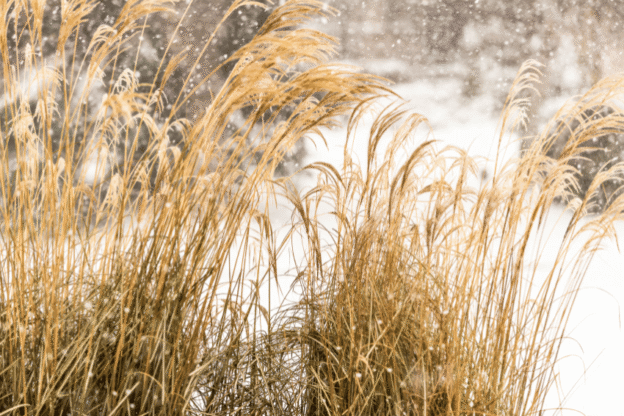
Dynamic Textures: Using Ornamental Grasses to Enhance Winter Landscapes

When frost bleaches the last perennial stems and deciduous trees stand bare, ornamental grasses step forward to keep the garden alive with texture and motion. Their seed heads catch pale winter light, their blades rustle with every breeze, and their upright shapes punctuate quiet beds until spring returns. Gardeners in Highland Park, Lake Bluff, Kildeer, and Winnetka can rely on these tough yet stylish plants to provide interest through the coldest months, but only if they pick the right species and place them well.

Why Grasses Excel in Cold Seasons

Most ornamental grasses reach their peak visual form in late autumn, just as many flowering plants collapse. As temperatures drop, pigments concentrate, and blades shift from summer green to warm honey, wheat, or copper. Even after deep freezes, the stalks remain standing, holding snow like powdered sugar and adding sculptural silhouettes to otherwise flat borders. Wind common along the lakefront in Lake Bluff turns stiff grass clumps into living mobiles, their seed heads whispering against one another to animate a quiet yard.

Root systems run deep, anchoring soil on sloped sites and shrugging off freeze–thaw cycles that bother shallow-rooted annuals. Once established, most selections demand little supplemental water, an advantage during unpredictable winter precipitation. They also shelter overwintering beneficial insects, making spring pest control easier and more natural.

Matching Species to Site and Style

Grass Mature Height Winter Color & Form Best Placement
Switchgrass ‘Northwind’ 4–5 ft Tight vertical blades shift from blue-green to tan Modern beds or narrow spaces needing height
Little Bluestem ‘Standing Ovation’ 3 ft Steel blue fades to reddish bronze Masses in sunny, well-drained soil
Feather Reed Grass ‘Karl Foerster’ 5 ft Wheat-colored plumes stay upright in snow Backdrops for evergreen shrubs
Prairie Dropseed 2 ft Fine sprays form buff mounds Edging paths or accenting boulders
Japanese Forest Grass ‘All Gold’ 18 in Cascades of chartreuse turn parchment Part-shade near patios or under small trees


Switchgrass and little bluestem are Midwest natives, perfectly acclimated to the temperature swings seen inland at Kildeer. Feather reed grass, though of European origin, tolerates the lake’s moisture-laden winds and remains reliably upright in blustery Highland Park yards. Japanese forest grass prefers the shelter of a fence or low wall where reflected light can illuminate its draping leaves on short winter days.

Design Strategies for Four-Season Impact

Anchor with Evergreens
A single juniper or dwarf conifer behind a switchgrass clump intensifies contrast between rigid needles and airy seed heads. When snow covers the ground, the dark evergreen sets off the tawny grass like ink on parchment.

Group for Volume
One prairie dropseed is polite; five create a shimmering ground layer that undulates in the wind. Repeating clumps narrow plant selection but amplify visual rhythm, an effect especially welcome in front gardens viewed from the street during winter’s long angles of light.

Play with Backlighting
Position taller grasses where low afternoon sun can fire their plumes. Western exposures along driveways or at the rear of a south-facing border often supply the perfect angle. Homeowners in Winnetka who added a simple path light behind feather reed grass discovered the stems glow like lantern wicks after dusk.

Pair with Hardscape
Rustic stone walls or sleek corten-steel edging look more intentional when soft grasses lean against them. The marriage of rough mineral surfaces and delicate foliage enriches both materials and keeps winter beds layered despite a reduced plant palette.

Maintenance at the Right Moment

Resist the urge to cut ornamental grasses in autumn cleanup. Leaving stalks standing preserves wildlife habitat and visual interest. Instead, wait until late March, just before new growth emerges at the base. Use sharp shears to trim clumps down to six inches, remove the debris, and lightly rake away broken stems. Dividing over-large circles every three to five years keeps centers from hollowing and provides free plants for other parts of the yard.

If heavy snow flattens taller varieties, a loop of biodegradable jute twine tied loosely mid-height can lift them back into shape without noticeable restraint.

Integrating Grasses into Existing Borders

Begin by identifying winter gaps. Look for spaces left bare after herbaceous perennials die back. Measure the opening and choose a grass that will reach two-thirds of that height, ensuring it will read as a focal point without overwhelming nearby shrubs. Installing in early September allows roots just enough time to settle before the deep cold arrives, though container-grown stock can go in until soils approach forty degrees.

For long beds beside walks, alternate grass clumps with low evergreen groundcovers. This arrangement offers ice-free footing along paths while displaying intertwined ribbons of green and gold all season. Where space allows a generous sweep, combine different heights: prairie dropseed at the front, little bluestem in the middle, and switchgrass behind. The resulting staircase of texture remains legible even under a fresh snowfall.

A Final Note on Color Harmony

Remember that winter color relies on subtlety. Surrounding a crimson-twig dogwood with copper grasses can be compelling, but filling the same space with many unrelated hues risks visual clutter when flowers are absent. Pick two dominant tones, perhaps wheat and charcoal, and repeat them through grasses, bark, and stone for cohesion from January through April.

Ornamental grasses earn their keep precisely when the garden needs them most. By selecting varieties attuned to North Shore conditions and arranging them with an eye for winter light, local homeowners can enjoy dynamic textures long after most flowers fade. If your beds flatten into monochrome each December, consider adding a few of these resilient beauties during the coming planting season. Their subtle drama might become your landscape’s brightest moment on the year’s coldest day.

Transform sloping ground into layered rooms that blend beauty, function, and ecological health. Contact Martin John Landscaping to schedule a design consultation for terraced gardens in Highland Park, Lake Bluff, Kildeer, and Winnetka, or any North Shore community. Let us show you how thoughtful elevation turns every step into a new vantage point.

Need help deciding on what ornamental grasses to use? Martin John Company’s team of landscaping designers and horticulture experts can help. Schedule a free consultation with one of our experts today.

Prepping Your Landscaping for the Winter Ahead

As the brilliant colors of fall fade and the first frost looms, it’s time for homeowners in Chicago’s northern suburbs like Winnetka and Lake Forest to turn their attention to winter prep. Taking steps now can protect your landscaping investments, reduce spring cleanup, and keep your yard looking tidy even under a blanket of snow. From your lawn to your trees and irrigation system, a few smart moves in late fall can make all the difference when temperatures drop.

1. Give Your Lawn One Last Boost

Before the ground freezes, your lawn deserves a little attention. Start by giving it a final mow—but not too short. Cutting grass too low can stress it, while leaving it too long invites snow mold. Aim for a final height of about 2.5 inches.

After mowing, aerate and fertilize your lawn. Aeration allows water and nutrients to reach the roots, and a slow-release winter fertilizer helps grass store energy for spring. In the northern suburbs, where freeze-thaw cycles can be tough on turf, this last feeding makes a noticeable difference in how green and healthy your lawn looks come April.

If you’ve had trouble with bare patches or thinning areas, overseed before the ground hardens. Even if the seeds don’t germinate right away, they’ll be in place for an early start next spring.

2. Protect Trees and Shrubs from Winter Stress

Young trees and sensitive shrubs are especially vulnerable to winter winds, ice, and salt spray. To help them endure harsh conditions:

  • Mulch around the base of trees and shrubs with a two- to three-inch layer of organic mulch. This insulates roots and helps retain soil moisture.
  • Wrap young tree trunks (especially maples and ornamental varieties) with burlap or tree wrap to prevent sunscald and frost cracks.
  • Prune dead or damaged branches before snow or ice has a chance to weigh them down.

Salt used on roads and driveways can also damage nearby plants. To minimize salt exposure, create physical barriers with burlap or plastic snow fencing, or use a calcium-based deicer that’s gentler on landscaping.

3. Cut Back and Clean Up Garden Beds

Once frost hits, annuals will fade and perennials will begin to die back. This is your cue to clean up flower and vegetable beds. Remove spent annuals and diseased plant material to prevent overwintering pests and fungus.

For perennials, cut them back to a few inches above ground—except for varieties like coneflowers or ornamental grasses, which can add winter interest and provide food for birds. Finish by adding a layer of mulch or compost to protect the soil and give roots insulation against extreme temperature swings.

4. Prep Your Irrigation and Outdoor Water Sources

If you have an underground irrigation system, schedule a professional blowout before the first hard freeze. Water left in irrigation lines can freeze, expand, and crack pipes or fittings—a costly repair in spring.

Detach and drain garden hoses, and store them indoors or in the garage. Shut off outdoor spigots and insulate them with covers to prevent freezing.

If you rely on a rain barrel, empty and disconnect it for the season, as ice can damage the barrel and fittings.

5. Don’t Forget Hardscapes and Outdoor Furniture

Your patio, walkways, and driveways will take a beating over the winter. Sweep away leaves and debris to avoid staining or mildew. If your pavers have gaps or uneven spots, take time to repair or relevel them now—it’s much easier before frost sets in.

Clean and store outdoor furniture and cushions, or cover them securely. Wicker and metal furniture in particular can deteriorate faster if left exposed to snow and ice.

Let Martin John Company Help

Whether it’s lawn care, tree protection, or irrigation winterization, Martin John Company can help you get your landscape ready for the cold months ahead. Our team specializes in year-round landscape maintenance for homeowners across Chicago’s northern suburbs.

Contact us today to schedule your winter prep services and make sure your property is protected and ready to flourish when spring returns.

Landscape Ideas for Thanksgiving

As Thanksgiving approaches, homeowners across the Chicago suburbs from Barrington to Highland Park are getting ready to welcome friends and family for cozy holiday gatherings. While most of the celebration happens indoors, your landscape can set the stage the moment guests arrive. Even with cooler temperatures and fewer blooms, your yard and outdoor spaces can still shine with warmth, color, and creativity.

Here are some simple, stylish Thanksgiving outdoor decor ideas to help homeowners in the northern Chicago suburbs make the most of their landscapes this season.

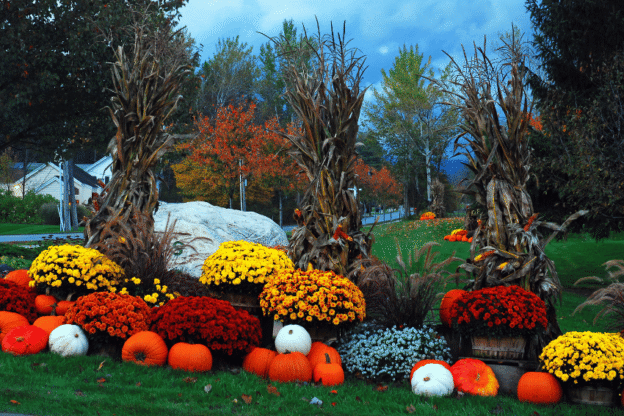
1. Highlight the Warm Colors of Fall

Late fall is all about embracing rich, earthy tones—burnt orange, golden yellow, deep red, and soft browns. Even after the leaves drop, you can add seasonal color with container plantings filled with ornamental kale, pansies, or dried grasses.

Top them off with natural accents like pumpkins, gourds, and birch branches. These easy, low-maintenance additions provide a festive look that complements the natural surroundings of the Chicago suburbs. For a longer-lasting display, swap in evergreen sprigs or pinecones that transition seamlessly from Thanksgiving into the winter holidays.

2. Add Warmth and Glow with Lighting

With shorter days, lighting becomes one of the most important elements of Thanksgiving outdoor decor. Soft, warm lighting along your walkways and entryway instantly makes your home feel more welcoming.

Try string lights, solar lanterns, or LED pathway lights to highlight trees, shrubs, or garden beds. Wrapping lights around porch columns or along railings creates a festive glow that guests will love. If you’re hosting an outdoor gathering, a few strands of twinkle lights above a patio or pergola can completely transform the atmosphere.

3. Create a Cozy Gathering Space

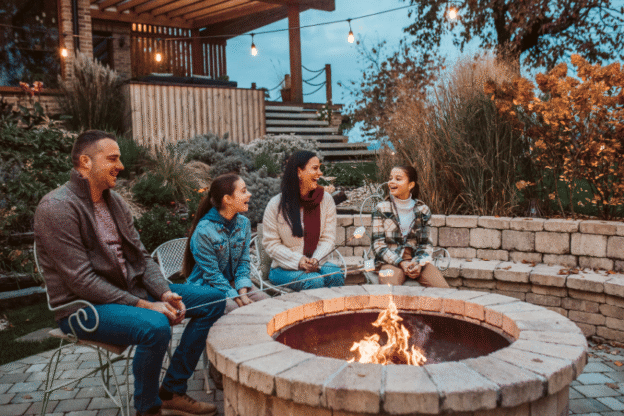
Even in November, there’s something special about spending time outdoors. A fire pit or outdoor fireplace adds both warmth and ambiance, making it easy for guests to enjoy hot cider or roast marshmallows while taking in the crisp fall air.

Arrange comfortable seating, add blankets or plaid throws, and include a few decorative lanterns to complete the look. For homeowners in the northern suburbs of Chicago, investing in a patio heater can extend your outdoor season well into the holidays.

4. Use Natural Elements for Texture and Style

The best Thanksgiving outdoor decor often starts with what nature provides. Gather pinecones, dried hydrangeas, berry branches, or cornstalks to create porch displays or entryway accents. Pair these with copper pots, weathered planters, or woven baskets for a sophisticated, seasonal feel.

A simple wreath made from dried leaves and twigs can also make a big statement on your front door—tying together the natural tones of your late-fall landscape.

5. Clean Up and Refresh Your Landscape

Before decorating, make sure your yard is clean and well-kept. Rake leaves, prune perennials, and sweep walkways to create a polished backdrop for your Thanksgiving outdoor decor. A tidy landscape lets your seasonal touches stand out and shows guests that your home is ready for the season of gratitude.

Bring the Warmth of Thanksgiving Outdoors

Thanksgiving is about family, gratitude, and comfort—and your outdoor spaces can reflect that spirit beautifully. With a little creativity, your Chicago suburban landscape can become an inviting extension of your home’s holiday celebrations.

Let Martin John Company Help

From seasonal planters and fall cleanups to outdoor lighting and landscape design, Martin John Company helps homeowners throughout Chicago’s northern suburbs create stunning, holiday-ready landscapes.

Contact us today to schedule your seasonal services and bring your Thanksgiving outdoor decor ideas to life.

Integrating Fire Features into Your Patio Design: Warmth and Ambiance

A well-placed fire feature can transform an ordinary patio into the heart of an outdoor living space. Flames draw people together, extend the season, and lend a cinematic glow to evening gatherings. Whether your goal is a simple conversation nook or a statement focal point, understanding the fundamentals of fire-feature design will help you create a setting that feels both welcoming and secure. Homeowners in Kildeer, Lake Bluff, and Winnetka often start with the same question: Which type of fire element best matches my patio and lifestyle?

Choose the Format That Fits the Space

Patios vary in shape, size, and traffic flow, so the fire element should echo those proportions. A round stone fire pit provides a campfire feel and encourages guests to gather on all sides. Square or rectangular pits complement modern hardscape lines and allow furniture to stand neatly against straight edges. For smaller terraces or raised decks, a linear gas fireplace set into a low wall adds drama without consuming valuable floor area. Built-in fireplaces can also double as wind screens, a useful benefit along Lake Michigan’s breezy shoreline in Lake Bluff.

Fuel Options and Their Impact

Wood-burning setups deliver the crackle and aroma many people associate with traditional campfires, yet they require space for log storage and regular ash removal. 

Natural-gas or propane systems ignite instantly, produce consistent heat, and eliminate smoke, an advantage for compact patios in Kildeer where neighbors may be close. Gas lines must be installed by licensed professionals, but once in place, they provide clean operation and simplified maintenance. 

Gel fuel canisters suit small tabletop bowls, offering ambient flicker for intimate seating areas without the heat of a full pit.

Safety and Code Considerations

Local ordinances determine setback distances, fuel restrictions, and spark arrestor requirements. Winnetka’s village codes, for example, outline minimum clearances from structures and overhanging branches. Before breaking ground, confirm these guidelines and secure any needed permits. Position wood-burning units on noncombustible surfaces such as pavers or natural stone, never directly on turf or composite decking. For gas installations, include shut-off valves within easy reach and test connections annually for leaks.

Materials That Endure Midwest Weather

Dense natural stone and concrete withstand freeze-thaw cycles typical along the North Shore. If you prefer metal, choose powder-coated steel or cast aluminum that resists corrosion from lake-effect moisture. Fire-rated glass beads or lava rock fill provide both insulation and decorative flair in gas burners, while ceramic logs offer a traditional look without charring. Whatever material you select, ensure drainage beneath the burner pan so rainwater does not collect and extinguish the flame.

Integrating Seating and Lighting

Plan seating concurrently with the fire feature so circulation feels natural. Built-in seat walls keep cushions safely away from sparks and remove the need for extra furniture. For freestanding pits, arrange weather-resistant chairs at least eighteen inches from the edge to balance warmth and comfort. Low-level lighting, such as recessed tread lights along steps or soft path markers, guides movement after dark without competing with the fire’s glow. Overhead fixtures should be dimmable so guests’ eyes can adjust when flames are the primary light source.

Maintenance for Long-Term Enjoyment

After each burn, allow ashes to cool completely before disposal and sweep debris from burner pans to prevent blockages. Cover units when not in use to protect them from snow and fallen leaves. Gas systems benefit from an annual inspection of burners, igniters, and valves. If your feature includes masonry, inspect joints every few years and repoint mortar that shows cracking. These simple habits preserve both appearance and performance.

Bringing the Vision to Life

A fire feature is most successful when it feels integral to the entire outdoor plan rather than an afterthought. Consider sightlines from interior rooms, prevailing wind direction, and adjacent plantings that may benefit from—or suffer under—radiant heat. When those details align, the result is a space that invites conversation on cool spring evenings and keeps autumn dinners lingering long after sunset.

Curious about incorporating fire into your own patio design? Contact Martin John Landscaping to explore layouts, materials, and fuel options that suit your North Shore home and lifestyle.

Seasonal Strategies: Year-Round Maintenance for Picture-Perfect North Shore Gardens

Perfect gardens rarely happen by chance. They follow a rhythm that changes with the calendar, anticipating what Lake Michigan winds and Midwestern temperature swings will demand next month, not just this week. The guidelines below outline a twelve-month cycle of care well-suited to the soils and microclimates found in communities such as Highland Park, Lake Bluff, and Lake Forest. Use them as a blueprint for keeping borders in bloom, turf resilient, and woody plants healthy from January through December.

Spring – Waking the Landscape

As the ground thaws in late March, roots are tender and easily damaged. Start by clearing fallen branches and leftover leaves with a light touch, then prune deadwood while buds are still tight. This early thinning opens canopies to sunlight and improves air flow before humidity brings fungal disease.

Once daytime temperatures settle above forty-five degrees, apply a slow-release fertilizer that dissolves steadily with spring rain. Pre-emergent weed control laid at the same visit halts crabgrass before it germinates. Finish with two inches of shredded hardwood mulch so beds stay moist and weed pressure remains low, but avoid piling mulch against stems where rot can take hold.

Early Summer – Encouraging Peak Performance

Late May through July is the engine room of the garden year. Keep cool-season lawns at three inches or a touch higher to shade crowns and crowd out broadleaf weeds. Alternate mowing directions weekly to discourage ruts.

Flowering shrubs such as lilac and viburnum should be trimmed immediately after bloom; waiting until autumn removes the buds that would open next year. Deadhead perennials to channel the plant’s energy into new flowers rather than seed production. Where Japanese beetles threaten roses, deploy pheromone traps at the perimeter of the property before populations surge, and introduce beneficial nematodes to the soil as a biological control.

Irrigation schedules should evolve as summer settles in. Sandy patches along Lake Bluff’s bluffs may need shorter, more frequent watering, while heavier loam a few miles inland can handle a deep soak every third day. Smart controllers help by adjusting automatically to rainfall and evapotranspiration data.

Late Summer – Safeguarding Against Heat and Drought

August often exposes weak links. High humidity encourages leaf spot on crabapples and asters; improve air circulation with selective pruning, then treat only where symptoms persist. Core aeration relieves compaction after months of foot traffic and sets the stage for stronger root growth once temperatures cool. Follow the aerator with overseeding so the seed drops directly into the fresh channels.

Perennials that have finished—daylilies, for example—benefit from being sheared back to tidy clumps. Inspect irrigation heads for overspray onto walks and drives. Water that lands on stone encourages moss and wastes resources best reserved for beds.

Autumn – Preparing for Dormancy

Cool nights signal turf to store carbohydrates. A high-potassium fertilizer applied in September fortifies cell walls for winter. Remove fallen leaves before they mat and suffocate grass; shredded leaves can be mulched into garden beds to boost organic matter.

Young evergreens, especially those planted within two years, gain protection from an anti-desiccant spray that reduces moisture loss under winter wind. Wrap thin-barked trees to discourage vole and rabbit damage once snow cover drives animals closer to trunks. Blow out irrigation lines only after soil temperatures dip below forty degrees to ensure roots receive one last deep drink.

Winter – Protecting Structure and Planning Ahead

A garden rests but never truly sleeps. After heavy wet snow, brush the limbs of boxwood and arborvitae to prevent breakage. If thaws leave an icy crust, watch for vole runs and address them early. Use calcium magnesium acetate rather than rock salt on stone walks to preserve mortar and nearby turf.

Winter also offers time to evaluate the past season and design improvements. Order new plants in January to secure larger sizes, and schedule masonry projects before spring demand peaks so construction can start as soon as frost leaves the ground.

Why a Year-Round Perspective Pays Off

Timed tasks support one another: proper pruning reduces pest outbreaks; balanced nutrition deepens color; precise irrigation lowers disease pressure. Viewed as a chain rather than isolated chores, maintenance becomes more efficient, and results grow more impressive with every passing season.

Putting the Plan to Work

Print these seasonal prompts and post them in a garden shed or save them to your phone’s calendar. Adjust for microclimates, a south-facing brick wall warms earlier than a shaded woodland edge, and remember that consistent observation beats any rigid schedule. By tuning actions to the rhythm of local weather, North Shore gardeners can enjoy borders that remain vibrant, turf that invites bare feet, and shrubs that shrug off winter winds year after year.

Smart Estates: Integrating Home Automation with Landscape Design in Highland Park

A refined landscape can now think for itself. Sensors monitor soil moisture, lighting responds to sunset, and your phone controls the spa heater before you step outside. Martin John Landscaping partners with homeowners in Highland Park, Glencoe, Barrington, Libertyville, and surrounding areas to weave discreet technology into elegant outdoor settings. The result is an estate that looks artful, conserves resources, and works on your schedule.

A Quick Look at the Payoffs

  • Lower utility costs – irrigation and lighting adjust to real-time weather and daylight
  • Hands-free convenience – voice or app commands replace manual valves and switches
  • Stronger security – motion lights deter intruders
  • Healthier plants – data-driven watering prevents over- or under-irrigation

Building Blocks of a Connected Landscape

Smart irrigation controllers
Weather-based devices link local forecasts with zone-specific soil readings. A sunny lawn receives a longer cycle while shaded beds skip watering after overnight rain.

Zoned LED lighting
Low-voltage fixtures connect to a cloud transformer that groups lights by area. Path lights brighten automatically at dusk, terrace sconces dim for movie night, and security floods activate when cameras detect motion.

Outdoor audio integration
Rock speakers and buried subwoofers join the home’s music platform. Playlists follow family members from the kitchen to the pool deck without volume spikes.

Automated pool and spa suites
A single dashboard schedules pumps, heaters, and chemical feeders. Owners receive alerts if the water balance drifts after a windy day.

Design Tactics for Seamless Results

  1. Conceal the hardware – controllers hide inside irrigation vaults, transformers tuck behind stone walls, and Wi-Fi nodes nest beneath pergola rafters.
  2. Plan conduit early – data and power sleeves install during hardscape excavation so lawns and beds remain undisturbed later.
  3. Match architectural style – bronze path lights flatter traditional façades, and minimalist stainless fixtures suit contemporary homes.
  4. Protect against outages – battery backups and surge guards keep pumps, lights, and gates running through summer storms..

Sustainability Gains You Can Measure

  • Adaptive watering prevents runoff into Lake Michigan and shields mature trees from root stress.
  • LED fixtures draw a fraction of the power of legacy halogen and last ten times longer.
  • Real-time dashboards flag leaks so repairs happen quickly and plants stay vibrant.

Step Into the Future of Outdoor Living

Imagine arriving home to a terrace that glows softly while the spa reaches the perfect temperature and the lawn and flower beds are being watered to maintain their vibrant colors. This is an everyday reality for Martin John clients who embrace smart-estate design.

Schedule a free consultation with Martin John Landscaping to discover how connected technology can elevate beauty, efficiency, and security across your property and throughout the North Shore.