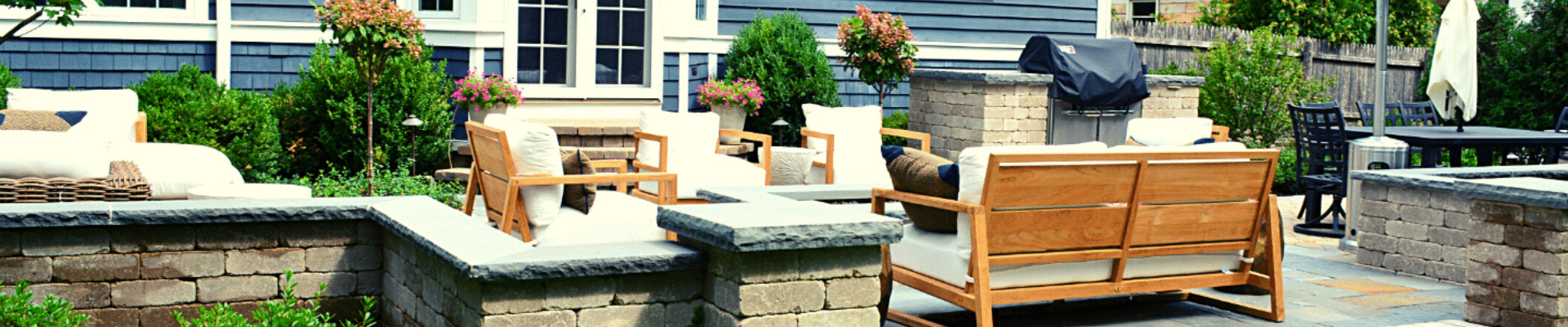
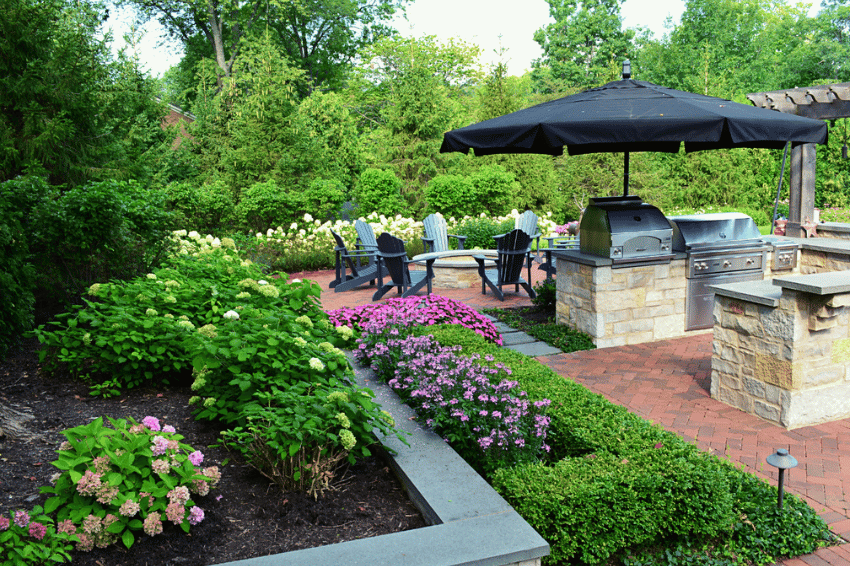
If you have ever walked across a paver path, sat on a patio, or noticed a retaining wall holding a slope in place, you have experienced hardscaping. It is one of the most important parts of landscape design in the Chicago area, especially because our weather and soil movement can be tough on outdoor spaces.
For homeowners, hardscaping can create usable outdoor living areas, improve curb appeal, and reduce muddy problem zones. For commercial properties, it can improve safety, access, and long-term maintenance costs. In both cases, the right approach must account for drainage and freeze-thaw performance.
This guide explains what hardscaping is, how it works with your landscape, and why it is such a smart investment in Chicagoland.
What Is Hardscaping?
Hardscaping refers to the built, non-living elements of a landscape. Unlike plants and turf, hardscape features are made from materials like stone, concrete, brick, or wood.
Common hardscape features include:
- Patios
- Walkways and paths
- Driveway aprons and entry pads
- Steps and landings
- Retaining walls
- Seating walls
- Edging and borders
- Outdoor kitchens and fire features
- Courtyards and plazas
Hardscaping services often include both design and installation, because the layout and construction quality matter just as much as the final look.
Why Hardscaping Matters in Chicago
Chicago yards and commercial sites face several challenges that hardscaping can solve, especially when designed and installed correctly.
1) It improves drainage and helps manage water
Water is a major issue in Chicagoland, especially in spring melts and heavy rains. Poor drainage can lead to:
- Standing water near foundations
- Erosion on slopes
- Muddy walkways and unusable yard space
- Ice buildup and safety hazards in winter
Hardscape construction can include grading, surface slope planning, permeable options, and drainage systems that move water where it should go.
2) It creates functional space you can actually use
A yard can look nice and still be hard to live in. Hardscaping defines areas and makes outdoor spaces usable.
Examples:
- A patio creates a stable area for dining and seating
- A walkway provides safe access from the driveway to the entry
- Steps make slopes navigable and reduce wear paths
- A retaining wall can transform a steep grade into a flat terrace
For commercial properties, this can mean safer pedestrian flow and better accessibility.
3) It reduces long-term maintenance
Some properties spend too much time battling problem zones like ruts, muddy areas, or turf that never thrives. Hardscape can reduce maintenance by:
- Replacing hard-to-grow grass areas with patios or paths
- Controlling erosion so mulch and soil stay in place
- Creating clean edges that simplify mowing and trimming
- Improving access for property maintenance and snow removal
4) It boosts curb appeal and property value
Well-designed hardscape designs can make a home feel more complete and intentional. For commercial sites, it can elevate brand impression and create a more welcoming entry.
Hardscape often becomes the visual framework that ties everything together, especially when paired with thoughtful planting.
Hardscaping Examples That Work Well in Chicagoland Freeze-Thaw Climates
Some hardscape is especially common in our region because they solve typical Chicago-area problems.
Walkways
Walkways improve safety and reduce winter hazards when properly designed.
- Use durable materials designed for freeze-thaw
- Plan gentle slopes and avoid water pooling
- Include lighting for early sunsets and winter visibility
Patios
Patios create an outdoor living space without the upkeep of turf.
- Choose materials that resist shifting and cracking
- Build on a properly compacted base
- Plan drainage away from the home
Retaining Walls
Retaining walls help manage slopes and protect against erosion.
- Must include drainage behind the wall
- Need correct base depth and compaction
- Should be designed for long-term stability, not just appearance
Steps and Landings
Steps are a safety feature first, and a design feature second.
- Proper rise and run improves comfort and reduces tripping risk
- A stable base and drainage prevent settling
- Surface texture can improve winter traction
Hardscaping and Landscaping Work Better Together
Hardscaping is not meant to replace plants. The best results come when hardscape and landscaping support each other.
Hardscape features:
- Define structure and movement
- Create usable zones
- Control water and grade changes
Landscaping elements:
- Add softness and seasonal interest
- Provide privacy and shade
- Bring color, texture, and ecological value
When a landscape designer plans these together, the result feels cohesive and performs better across seasons.
What to Look for in Hardscaping Services
Because hardscaping involves excavation, grading, compaction, and drainage, installation quality matters. When evaluating hardscaping services, look for:
- A design process that considers drainage and grading
- Clear base prep standards, not vague promises
- Material options that match Chicagoland conditions
- Experience with freeze-thaw performance
- Transparent scope and timeline for hardscape installation
A great-looking hardscape that is installed poorly will eventually show problems. A well-built hardscape tends to look good for years.
When Should You Plan a Hardscaping Project?
Many people start researching in winter and early spring, and that is smart. It gives you time to:
- Define your goals and budget
- Choose between design options
- Confirm materials and schedule
- Be ready to install when the weather allows
If you want your project completed early in the outdoor season, planning ahead can make a big difference.
Build a Strong Foundation for Your Outdoor Space
So, what is hardscaping? It is the structural, built part of your landscape that improves function, drainage, safety, and long-term value. In Chicago, it matters even more because freeze-thaw cycles and water movement demand better construction standards.
If you are exploring patios, walkways, retaining walls, or a full hardscape redesign, Martin John Company can help you plan and build a solution that fits your property and performs in our climate.
Reach out today to discuss your goals and get a hardscape plan in motion.