
Spring in Chicagoland can feel like a sprint. One week you are still seeing salt residue and frozen beds, and the next week everything is growing fast. That swing is exactly why landscape maintenance in Chicago needs a smart plan.
A solid spring checklist helps you get ahead of common issues that lead to expensive fixes later, like weak turf, plant stress, drainage problems, and beds that turn into weed factories by June.
Below is a step-by-step checklist you can use for North Shore properties, including Libertyville and Lake Forest. It covers cleanup, edging, bed prep, pruning timing, turf assessment, and scheduling, so your landscape starts the season healthy and stays that way.
Step 1: Start With a Property Walk-Through
Before any major work, walk the property and note what winter revealed:
- Areas where snowmelt pooled or drained poorly
- Salt damage along drives, sidewalks, and entries
- Broken branches or split shrubs
- Settling or heaving near walkways and patios
- Thin turf areas and early signs of compaction
This five-minute walkthrough can prevent you from repeating last year’s problems.
Step 2: Spring Cleanup, Do Not Rush It
Spring cleanup is essential, but timing matters. Jumping in too early can damage turf and compact wet soil.
A good spring cleanup usually includes:
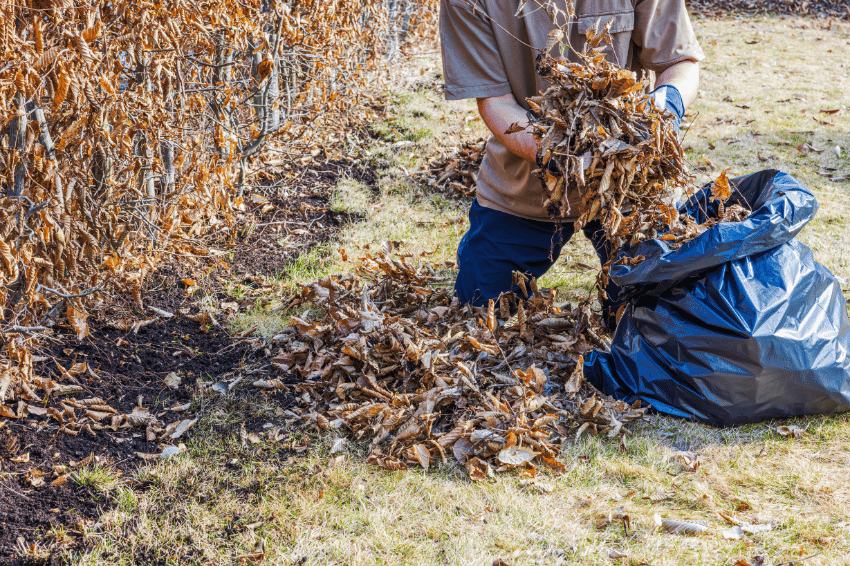
- Removing leaves, twigs, and debris from beds and turf
- Cutting back perennials and ornamental grasses at the right time
- Clearing out dead growth while protecting new shoots
- Cleaning up winter-damaged plant material
- Resetting bed lines and borders that shifted over winter
If the ground is still saturated, focus on light debris removal first and save heavier work for when the soil can handle it.
Step 3: Edging, Bed Lines, and Mulch Prep
Clean bed edges instantly improve curb appeal, but they also reduce weed creep and make maintenance easier.
Spring bed prep should include:
- Re-establishing crisp bed lines
- Removing early weed growth before it spreads
- Loosening compacted top layers carefully
- Preparing for mulch installation with a clean base
Mulch is not just decoration. Done correctly, it helps retain moisture, moderate soil temperature, and reduce weeds. Done incorrectly, it can trap moisture against stems and invite problems.
Step 4: Pruning Timing, Cut the Right Things at the Right Time
One of the biggest spring mistakes is pruning everything just because it is spring. Pruning timing depends on the plant type and when it blooms.
General guidance:
- Remove dead, damaged, or crossing branches early
- Save pruning for spring-flowering shrubs until after they bloom
- Avoid aggressive pruning that stresses plants before new growth is established
If you are unsure, a professional landscape maintenance team can help you avoid pruning that removes this year’s flowers or weakens the plant.
Step 5: Turf Assessment, Set Up a Strong Lawn Season
Spring is the time to evaluate what your turf actually needs, not what it “usually gets.”
Key turf assessment points:
- Identify thin areas and why they are thin (shade, compaction, drainage, salt)
- Check for early weed pressure
- Look for drainage issues that will cause summer stress
- Decide whether overseeding makes sense and when to schedule it
- Plan fertilizer timing based on turf condition, not habit
If you are in Libertyville or Lake Forest, spring timing windows can shift based on microclimates and exposure, so scheduling matters.
Step 6: Check Drainage and Downspout Discharge
Drainage issues often show up most clearly during spring melt and early rains. This is the moment to address them.
Look for:
- Water pooling near foundations
- Erosion channels in beds or lawn areas
- Downspouts dumping water into planting beds
- Low spots that stay soggy
Even small drainage adjustments can protect turf and reduce plant stress through summer.
Step 7: Schedule the Season Early, Especially for North Shore Properties
Spring calendars fill fast. To avoid rushed work and missed timing, plan early for:
- Spring cleanup and bed prep
- Mulch installation
- Pruning visits
- Turf treatments and overseeding
- Seasonal planting refreshes
- Ongoing maintenance frequency
Early scheduling also helps homeowners and HOAs maintain consistent standards through peak season.
A Simple Spring Timeline for Libertyville and Lake Forest
Here is a practical way to stage your spring maintenance:
Early Spring
- Property walk-through
- Light cleanup and debris removal
- Identify winter damage and drainage issues
Mid Spring
- Full cleanup and bed prep
- Edging and mulch installation
- Targeted pruning based on plant type
- Turf assessment and first key treatments
Late Spring
- Overseeding if needed
- Seasonal planting and finishing details
- Regular mowing and bed maintenance cadence
The Payoff, Fewer Fixes, Better Growth, Cleaner Results
Spring maintenance is not about making everything look “fine” for a week. It is about setting a foundation that prevents expensive repairs later, like:
- Replacing stressed shrubs that never recovered from winter
- Paying for emergency drainage work mid-season
- Fighting weeds that took over because beds were not prepped
- Trying to fix thin turf after it is already struggling in the summer heat
A checklist keeps the season proactive instead of reactive.
Start the Season With a Maintenance Plan That Protects Your Landscape
If you want landscape maintenance in Chicago to be smoother, spring is the time to plan it correctly. A well-timed checklist helps your property look better, stay healthier, and cost less to maintain over the long run.
Martin John Company supports North Shore homeowners, HOAs, and businesses with maintenance plans that match the realities of Chicagoland weather.
Contact us to schedule spring maintenance and get your property ready for the season.