
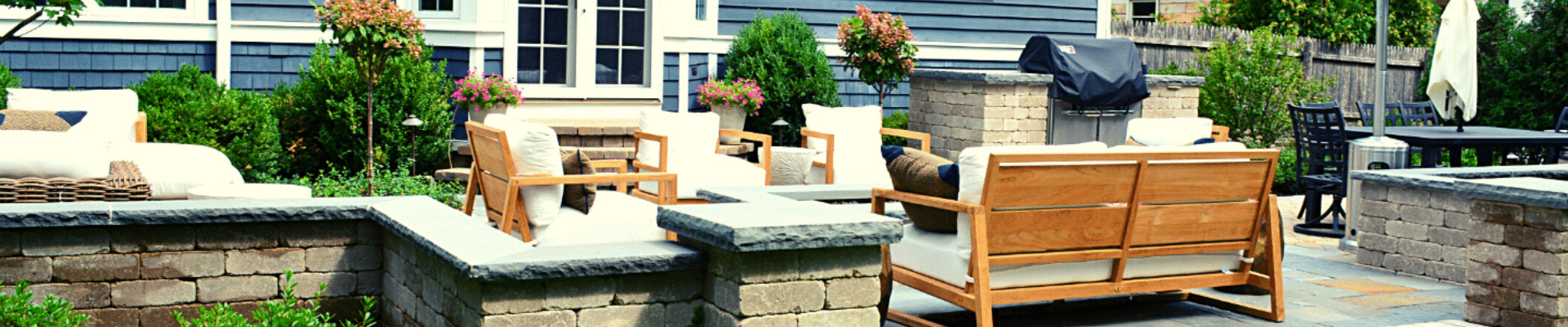
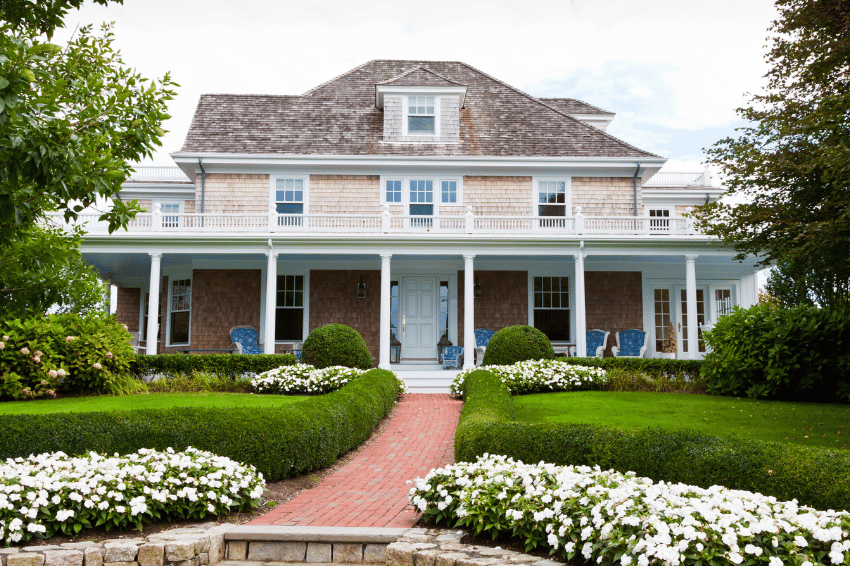
A landscape that feels truly integrated with its house begins by echoing the building’s proportions, materials, and circulation. Along the North Shore, homes range from classic Tudors in Glencoe to lake-view contemporaries in Lake Bluff and gracious Colonials in Barrington. Each style suggests its own palette of plants, hardscape, and spatial rhythm. The ideas that follow show how to draw cues from architecture so garden rooms read like natural extensions rather than separate stages.
Reading the Lines of the House
Before thinking about plants or stone, study the house façade at different times of day. Note roof pitch, repeated window spacing, and major horizontal breaks such as water tables or porch rails. A tall gable invites an upright element nearby, perhaps a narrow tulip tree or a panel of espaliered fruit. Long, low rooflines ask for broader planting masses that keep the eye near ground level. Matching these visual weights ensures that neither house nor garden outshines the other.
Material Echoes That Feel Intentional
Brick to stone
A Flemish-bond brick exterior pairs well with walks paved in rumbled clay pavers or salvaged street brick. The color link is subtle yet powerful, making the path seem as though it has always been part of the property.
Stucco to gravel
Smooth stucco walls benefit from contrasting textures. Pea gravel courts reflect sunlight upward, brightening shaded façades and whispering underfoot in a way that feels at home with Mediterranean tones often used on North Shore stucco houses.
Modern metal to corten edging
Contemporary homes clad in zinc or aluminum panels gain cohesion when planting beds are outlined in weathering-steel strips. The warm patina softens the cooler façade while maintaining the sleek profile.
Aligning Movement Indoors and Out
Interior floor plates can guide exterior grade changes. Where a kitchen steps down to a sunken family room, the adjacent patio might drop a single riser, creating an uninterrupted sightline through glass doors. In Barrington, several riverside properties use this concept to stage broad limestone slabs that mirror interior thresholds. The result is a seamless transition that encourages barefoot wandering between the sofa and the lawn.
Planting to Frame Architectural Details
Rather than hiding foundations with continuous shrubs, choose focal placements that emphasize important elements. In Lake Bluff, a modern glass box bordered on one side by shore pines allows uninterrupted lake views, while a strategic cluster of Japanese maple brings privacy where bedroom windows face a drive. The contrast between transparency and shelter mirrors the mix of openness and enclosure in the building plan.
Seasonal Considerations
Winter exposes everything, so structural plants become critical. Columnar evergreens at principal corners keep the composition crisp after deciduous branches fall. Summer, meanwhile, calls for broad leaves that temper reflected glare from water or stone patios. Selecting species that shift color or texture from season to season supplies a quiet narrative that parallels changes indoors, such as rotating art or textiles.
Light as a Design Connector
Exterior fixtures should illuminate the same vertical planes celebrated indoors. Wall-wash sconces that graze stone chimneys outdoors can align in color temperature with pendants in an adjacent dining space. This synchrony unifies morning coffee on the terrace with evening meals inside, all within a single lighting language.
Moving Forward
Begin any integration project by walking through the house toward the yard. Open doors and imagine where the eye wants to rest. Sketch those destinations, then translate shapes and materials outward. When transitions feel inevitable rather than imposed, the boundary between architecture and landscape disappears, and the whole property reads as one thoughtful composition, welcoming in every season and expressive of the North Shore’s distinctive character.
Contact us today to schedule a free consultation. Together, we will craft a custom landscape design that integrates with your house’s architecture and beauty.