
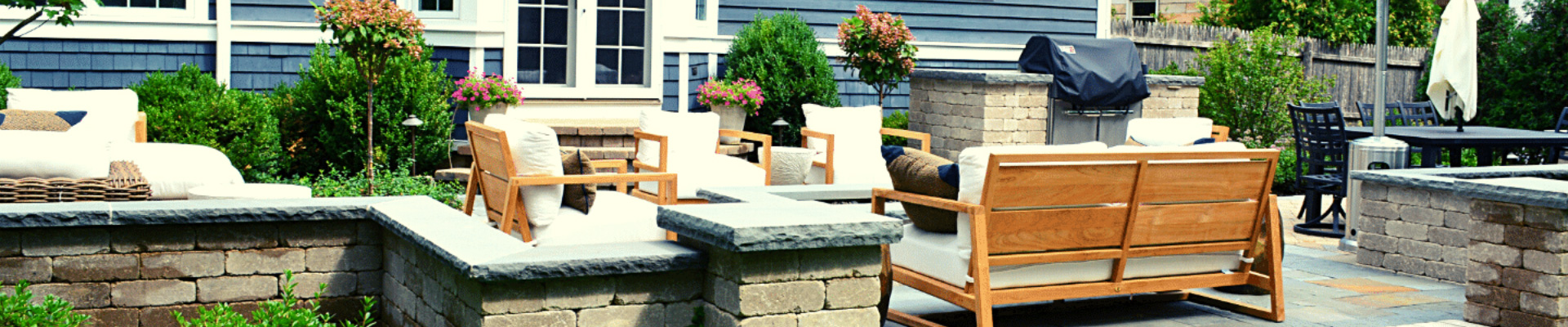
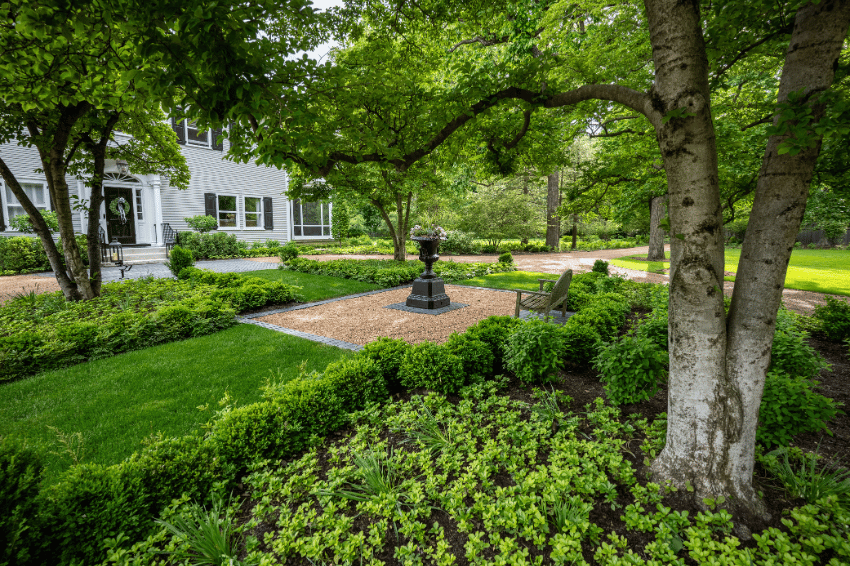
Lake Forest landscapes have a character that is hard to fake. Mature trees, established homes, generous lots, shaded lawns, older planting beds, and classic North Shore architecture all create a setting that deserves thoughtful landscaping, with plantings chosen for the site.
Working with a Lake Forest landscaper is not just about making a yard look cleaner. It is about understanding how mature properties function: where water moves, where shade limits turf, where privacy is needed, which trees should be protected, and how landscape design can improve curb appeal without making the property feel overdone.
If you are planning winter consultations or thinking ahead to a spring project, late fall is a smart time to evaluate your property. Once leaves are down and beds are quieter, it becomes easier to see the structure of the landscape and decide what needs attention.
Below are practical Lake Forest landscaping ideas for mature lots, North Shore curb appeal, privacy, drainage, and tasteful hardscape accents.
Start With the Existing Character of the Property
The best landscape improvements in Lake Forest usually work with the property’s existing character instead of fighting it. Mature lots often have established trees, older beds, formal entry points, and architecture that already sets a strong tone.
Before making changes, step back and evaluate:
- Which views should be preserved?
- Which areas feel overgrown or dated?
- Where does the property lack privacy?
- Where does water collect after rain?
- Which trees or shrubs are adding value?
- Which plantings are crowding the home or walkways?
- Where does the front yard need stronger curb appeal?
A thoughtful landscape design should feel natural to the home, the lot, and the neighborhood. The goal is not to erase the existing landscape. The goal is to refine it.
Design Around Mature Trees, Not Against Them
Mature trees are one of the greatest assets on Lake Forest properties. They add shade, scale, privacy, and a sense of permanence. They also create design challenges because roots, shade, leaf drop, and water competition can affect everything growing beneath them.
When landscaping around mature trees, the plan should consider:
- Root protection during any work
- Shade-tolerant planting choices
- Soil compaction near heavily used areas
- Mulch rings or expanded beds where turf struggles
- Drainage and runoff patterns around root zones
- Safe spacing between new plantings and existing trunks
Trying to force a perfect lawn under dense shade is often difficult to sustain. In many cases, the smarter solution is to create layered shade beds with hostas, ferns, sedges, shade-tolerant shrubs, and clean mulch lines that make the area look intentional.
Use Layered Planting Beds for North Shore Curb Appeal
Layered planting beds are an effective way to improve curb appeal without making a landscape feel busy. They create depth, softness, and year-round interest while still respecting the architecture of the home.
A strong layered bed may include:
- Evergreen structure for winter presence
- Medium shrubs for shape and seasonal texture
- Perennials for color and softness
- Groundcovers or low edging plants for clean transitions
- Ornamental grasses for movement and fall texture
For Lake Forest homes, layered beds often work especially well near front entries, foundation areas, driveway approaches, patios, and garden walks. The key is restraint. Too many plant varieties can make a mature property feel cluttered instead of refined.
Strengthen the Entry Experience
The front entry is one of the most important curb appeal zones on any property. A strong entry landscape guides the eye, frames the architecture, and makes the home feel welcoming.
Entry upgrades may include:
- Clean foundation planting
- Evergreen anchors near the doorway
- Seasonal containers
- Low plantings along the walk
- Path lighting for visibility and warmth
- Stone or paver accents that match the home’s style
For older or mature lots, entry landscaping should also check for overgrown shrubs that block windows, crowd steps, or make the front elevation feel heavy. Sometimes the best curb appeal improvement is not adding more. It is cutting back the landscaping to highlight your home.
Add Privacy Screening Without Building a Wall of Green
Privacy is a common goal for North Shore homeowners, but the best screening does not always come from planting a straight row of the same evergreen. That can work in some areas, but mature properties often benefit from a more layered and natural approach.
Privacy screening options include:
- Evergreen trees for year-round coverage
- Mixed shrubs for depth and seasonal interest
- Small ornamental trees to filter views
- Layered plantings around patios and side yards
- Strategic screening near neighboring windows or outdoor spaces
A good privacy plan considers what needs to be blocked, what should stay open, and how the screening will look in winter. For Lake Forest landscaping, this is especially important because mature lots often have beautiful views worth preserving, even while improving privacy.
Solve Drainage Before Adding New Plantings
Drainage is one of the least glamorous parts of landscape design, but on mature lots it can be one of the most important. Older grades, compacted soil, mature tree roots, and existing hardscapes can all affect how water moves across the property.
Common drainage issues include:
- Standing water in low lawn areas
- Mulch washing out of beds
- Water collecting near patios or walkways
- Downspouts discharging into planting beds
- Erosion along slopes or driveway edges
- Wet areas where turf never performs well
Before investing in new plants, patios, or lawn improvements, drainage should be evaluated. Otherwise, the new landscape may inherit the same old water problems, and undermine the investment.
Drainage solutions may include grading adjustments, swales, downspout extensions, catch basins, amended planting beds, or hardscape corrections, depending on the site.
Use Hardscape Accents Tastefully
Hardscape accents can elevate a mature North Shore property when they are designed with restraint. The goal is to support the landscape, not overpower it.
Tasteful hardscape accents may include:
- Natural stone edging
- Refined paver walkways
- Small seating areas
- Garden steps for grade changes
- Retaining edges for planting beds
- Entry landings or widened walkways
When planned well, hardscapes add structure and function while blending into the overall property. For mature lots, material choice matters. Stone, pavers, and wall systems should complement the home’s architecture and existing landscape character.
Create Outdoor Living Areas That Feel Connected
Many Lake Forest homes have the space for outdoor living, but the layout may not fully support how people use the property today. A patio may be too small, too exposed, disconnected from the kitchen, or missing shade and privacy.
Outdoor living improvements can include:
- Expanded patios
- Dining or lounge zones
- Fire pit areas
- Privacy plantings around seating areas
- Walkways connecting outdoor spaces
- Planting beds that soften hardscape edges
The best outdoor living spaces feel integrated into the yard. They should connect naturally to the home, lawn, garden beds, and existing trees.
Refresh Older Foundation Plantings
Foundation plantings on mature properties can become overgrown, uneven, or outdated over time. Shrubs that were once scaled correctly may now block windows, crowd the home, or create too much shade and moisture near the foundation.
A foundation planting refresh may include:
- Removing overgrown or declining shrubs
- Adding evergreen structure in better proportions
- Creating layered planting depths
- Improving airflow near the home
- Updating plant choices for lower maintenance
- Adding seasonal interest with perennials and ornamental grasses
This can dramatically improve curb appeal without requiring a full-property redesign. Selective changes can have a noticeable effect.
Think About Four-Season Structure
North Shore landscapes need to look good beyond peak bloom season. Winter is long enough to have opinions. A strong Lake Forest landscape should include enough structure to feel composed even when perennials are dormant and leaves have fallen.
Four-season structure can come from:
- Evergreens
- Ornamental grasses
- Stone walls or edging
- Branching structure from small trees
- Winter-interest shrubs
- Clean bed lines and maintained edges
This is one of the reasons late fall is such a good planning season. With leaves down, it is easier to see whether the landscape still has shape and balance.
Plan Maintenance Before Spring Arrives
Even a beautiful landscape needs the right maintenance plan. Mature lots often require seasonal pruning, bed cleanup, mulch management, turf repair, and ongoing monitoring of drainage or plant health issues.
A maintenance plan may include:
- Spring cleanup and bed preparation
- Seasonal pruning
- Mulch refreshes
- Weed control in beds
- Turf assessment and repair
- Fall cleanup and leaf removal
- Evergreen protection before winter
Professional landscape maintenance helps protect the investment, especially on properties with mature plantings and larger bed areas.
Why Late Fall Is a Smart Time for Lake Forest Landscaping Consultations
Many homeowners wait until spring to start planning, but late fall can be a better time to schedule a consultation. The property’s structure is easier to see, drainage issues may still be visible, and there is more time to prepare for spring work.
Late fall planning helps homeowners:
- Evaluate what worked during the growing season
- Identify overgrown or tired planting areas
- Plan spring installation before calendars fill
- Budget for design, hardscape, or planting updates
- Coordinate maintenance needs before winter
In other words, late fall planning makes spring less chaotic. It also leaves more time to make design and scheduling decisions.
Questions to Ask a Lake Forest Landscaper
Before starting a project, ask your landscaper:
- How would you protect existing mature trees during work?
- What areas of the property need drainage attention?
- Which plantings are worth preserving?
- Where would privacy screening make the biggest impact?
- How can we improve curb appeal without overplanting?
- What hardscape accents would fit the home’s style?
- What should be planned now for spring installation?
- What maintenance will the design require long term?
The answers should show that the landscaper is thinking about the whole property, not just selling a quick planting plan.
Build on the Beauty of a Mature Lake Forest Property
Lake Forest landscaping works best when it respects the property’s existing character while improving function, privacy, drainage, and curb appeal. Mature trees, established homes, and larger lots deserve a plan that feels refined and practical at the same time.
Whether you need privacy screening, planting bed updates, hardscape accents, outdoor living improvements, or a seasonal maintenance plan, the right landscape approach can make a mature property feel refreshed without losing its North Shore character.
Martin John Company helps homeowners create and maintain landscapes that fit the property, the architecture, and the realities of Chicagoland seasons.
Contact Martin John Company to schedule a consultation with a Lake Forest landscaper and start planning your next landscape improvement.