
When frost bleaches the last perennial stems and deciduous trees stand bare, ornamental grasses step forward to keep the garden alive with texture and motion. Their seed heads catch pale winter light, their blades rustle with every breeze, and their upright shapes punctuate quiet beds until spring returns. Gardeners in Highland Park, Lake Bluff, Kildeer, and Winnetka can rely on these tough yet stylish plants to provide interest through the coldest months, but only if they pick the right species and place them well.
Why Grasses Excel in Cold Seasons
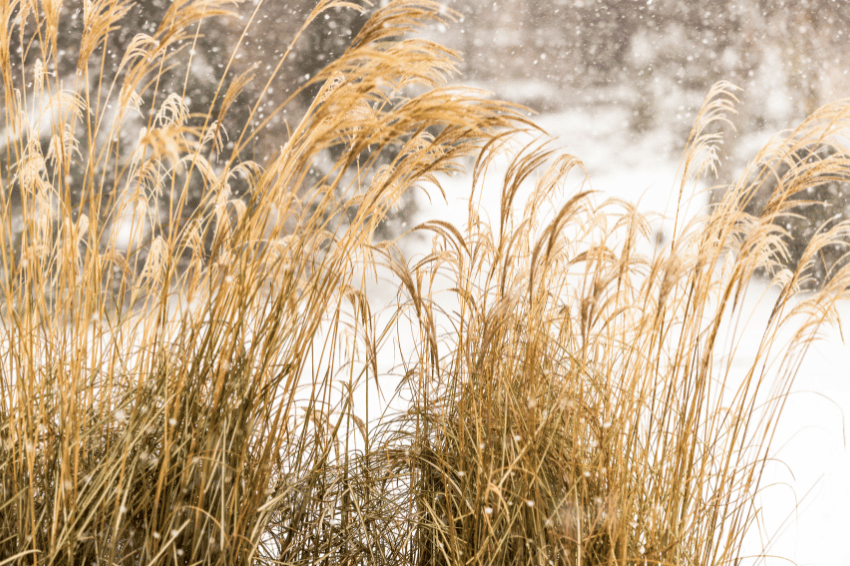
Most ornamental grasses reach their peak visual form in late autumn, just as many flowering plants collapse. As temperatures drop, pigments concentrate, and blades shift from summer green to warm honey, wheat, or copper. Even after deep freezes, the stalks remain standing, holding snow like powdered sugar and adding sculptural silhouettes to otherwise flat borders. Wind common along the lakefront in Lake Bluff turns stiff grass clumps into living mobiles, their seed heads whispering against one another to animate a quiet yard.
Root systems run deep, anchoring soil on sloped sites and shrugging off freeze–thaw cycles that bother shallow-rooted annuals. Once established, most selections demand little supplemental water, an advantage during unpredictable winter precipitation. They also shelter overwintering beneficial insects, making spring pest control easier and more natural.
Matching Species to Site and Style
| Grass | Mature Height | Winter Color & Form | Best Placement |
| Switchgrass ‘Northwind’ | 4–5 ft | Tight vertical blades shift from blue-green to tan | Modern beds or narrow spaces needing height |
| Little Bluestem ‘Standing Ovation’ | 3 ft | Steel blue fades to reddish bronze | Masses in sunny, well-drained soil |
| Feather Reed Grass ‘Karl Foerster’ | 5 ft | Wheat-colored plumes stay upright in snow | Backdrops for evergreen shrubs |
| Prairie Dropseed | 2 ft | Fine sprays form buff mounds | Edging paths or accenting boulders |
| Japanese Forest Grass ‘All Gold’ | 18 in | Cascades of chartreuse turn parchment | Part-shade near patios or under small trees |
Switchgrass and little bluestem are Midwest natives, perfectly acclimated to the temperature swings seen inland at Kildeer. Feather reed grass, though of European origin, tolerates the lake’s moisture-laden winds and remains reliably upright in blustery Highland Park yards. Japanese forest grass prefers the shelter of a fence or low wall where reflected light can illuminate its draping leaves on short winter days.
Design Strategies for Four-Season Impact
Anchor with Evergreens
A single juniper or dwarf conifer behind a switchgrass clump intensifies contrast between rigid needles and airy seed heads. When snow covers the ground, the dark evergreen sets off the tawny grass like ink on parchment.
Group for Volume
One prairie dropseed is polite; five create a shimmering ground layer that undulates in the wind. Repeating clumps narrow plant selection but amplify visual rhythm, an effect especially welcome in front gardens viewed from the street during winter’s long angles of light.
Play with Backlighting
Position taller grasses where low afternoon sun can fire their plumes. Western exposures along driveways or at the rear of a south-facing border often supply the perfect angle. Homeowners in Winnetka who added a simple path light behind feather reed grass discovered the stems glow like lantern wicks after dusk.
Pair with Hardscape
Rustic stone walls or sleek corten-steel edging look more intentional when soft grasses lean against them. The marriage of rough mineral surfaces and delicate foliage enriches both materials and keeps winter beds layered despite a reduced plant palette.
Maintenance at the Right Moment
Resist the urge to cut ornamental grasses in autumn cleanup. Leaving stalks standing preserves wildlife habitat and visual interest. Instead, wait until late March, just before new growth emerges at the base. Use sharp shears to trim clumps down to six inches, remove the debris, and lightly rake away broken stems. Dividing over-large circles every three to five years keeps centers from hollowing and provides free plants for other parts of the yard.
If heavy snow flattens taller varieties, a loop of biodegradable jute twine tied loosely mid-height can lift them back into shape without noticeable restraint.
Integrating Grasses into Existing Borders
Begin by identifying winter gaps. Look for spaces left bare after herbaceous perennials die back. Measure the opening and choose a grass that will reach two-thirds of that height, ensuring it will read as a focal point without overwhelming nearby shrubs. Installing in early September allows roots just enough time to settle before the deep cold arrives, though container-grown stock can go in until soils approach forty degrees.
For long beds beside walks, alternate grass clumps with low evergreen groundcovers. This arrangement offers ice-free footing along paths while displaying intertwined ribbons of green and gold all season. Where space allows a generous sweep, combine different heights: prairie dropseed at the front, little bluestem in the middle, and switchgrass behind. The resulting staircase of texture remains legible even under a fresh snowfall.
A Final Note on Color Harmony
Remember that winter color relies on subtlety. Surrounding a crimson-twig dogwood with copper grasses can be compelling, but filling the same space with many unrelated hues risks visual clutter when flowers are absent. Pick two dominant tones, perhaps wheat and charcoal, and repeat them through grasses, bark, and stone for cohesion from January through April.
Ornamental grasses earn their keep precisely when the garden needs them most. By selecting varieties attuned to North Shore conditions and arranging them with an eye for winter light, local homeowners can enjoy dynamic textures long after most flowers fade. If your beds flatten into monochrome each December, consider adding a few of these resilient beauties during the coming planting season. Their subtle drama might become your landscape’s brightest moment on the year’s coldest day.
Transform sloping ground into layered rooms that blend beauty, function, and ecological health. Contact Martin John Landscaping to schedule a design consultation for terraced gardens in Highland Park, Lake Bluff, Kildeer, and Winnetka, or any North Shore community. Let us show you how thoughtful elevation turns every step into a new vantage point.
Need help deciding on what ornamental grasses to use? Martin John Company’s team of landscaping designers and horticulture experts can help. Schedule a free consultation with one of our experts today.