Hardscape services can mean very different things depending on who you hire. For one company, it may mean installing a simple walkway. For another, it may mean planning the entire outdoor structure of a property, from design and site preparation to drainage, patios, retaining walls, lighting, and final installation.
For North Shore homeowners, that difference matters. A well-built hardscape should do more than look polished the week it is installed. It should support how the property functions, handle Chicagoland weather, move water correctly, and stay durable through freeze-thaw cycles.
October is a smart time to start evaluating hardscape services, especially if you are planning a spring project. Design decisions, material selections, drainage planning, and scheduling all take time. Starting early gives you room to make better decisions instead of competing for installation dates during the spring rush.
What Are Hardscape Services?
Hardscape services include the built, non-living elements of a landscape. These are the structural features that shape how people move through, use, and experience an outdoor space.
Common hardscape features include:
- Patios
- Walkways and garden paths
- Front entry paths and landings
- Retaining walls
- Seating walls
- Steps and grade transitions
- Driveway borders and aprons
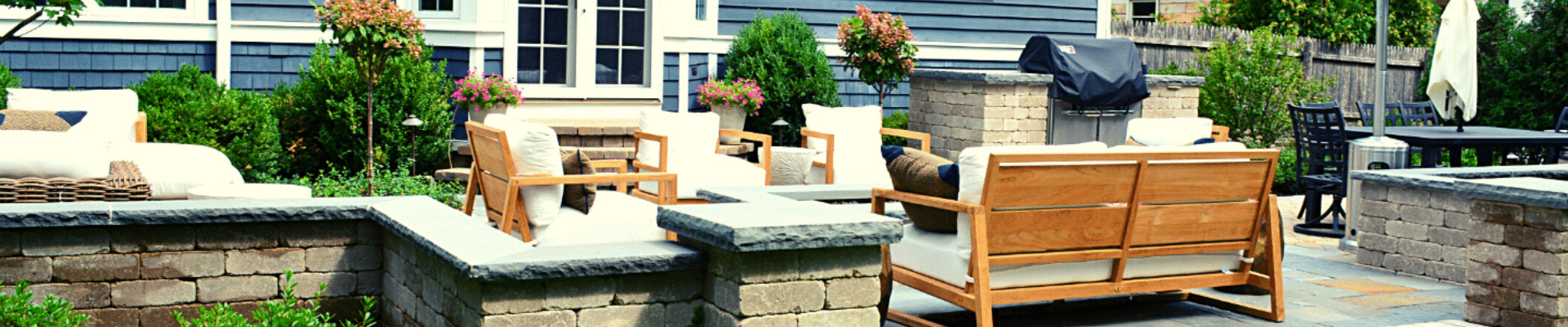
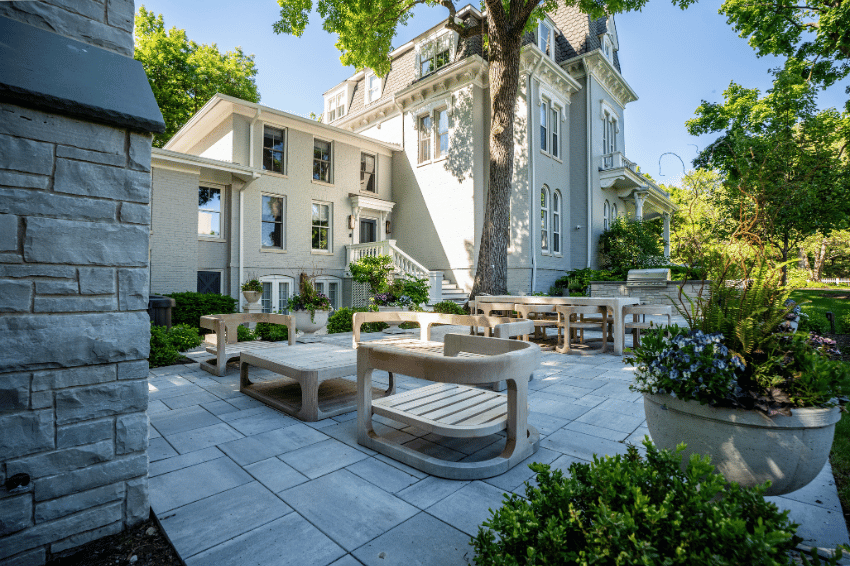
- Outdoor living spaces
- Fire pit areas
- Stone or paver accents
- Lighting coordination, when applicable
- Drainage solutions tied to the hardscape
In a full-scope project, these elements are not treated as isolated add-ons. They are planned together so the finished space feels intentional and performs well over time.
Why Hardscaping Matters for North Shore Homes
Many North Shore properties have mature trees, established architecture, varied grades, and outdoor spaces that need to balance beauty with function. A patio may need to connect to an existing terrace. A walkway may need to improve access without disrupting planting beds. A retaining wall may need to solve a slope issue while still looking appropriate for the home.
Good hardscaping should support:
- Outdoor living and entertaining
- Safe movement through the property
- Drainage and stormwater management
- Long-term landscape structure
- Architectural style and curb appeal
- Seasonal durability in Chicagoland conditions
This is why hiring a hardscaping company is not just about choosing paver colors. The better question is whether the company understands the full property, not just the surface being installed.
What a Full Scope Hardscape Project Can Include
1. Initial Consultation and Goal Setting
A strong hardscape project starts with understanding how the space should work. Before design begins, the contractor or design team should ask about your goals, lifestyle, priorities, and pain points.
For example:
- Do you want a larger patio for entertaining?
- Is the current walkway unsafe or awkward?
- Are you dealing with standing water or erosion?
- Do you need better access from the driveway to the entry?
- Should the project connect to future planting or lighting plans?
This early conversation helps define the scope before the design is drawn.
2. Site Survey and Property Evaluation
A site survey is one of the most important parts of a hardscape project. The site determines what is possible, what needs to be corrected, and how the design should be built.
A proper site review may include:
- Measurements and layout review
- Grade and slope evaluation
- Drainage observations
- Existing patio, walkway, or wall conditions
- Tree roots and planting bed locations
- Access for crews and equipment
- Connections to doors, driveways, lawns, and outdoor living areas
If the project is part of a larger design-build process, the site survey becomes the foundation for the plan. It helps prevent surprises during installation and makes the final design more buildable.
3. Design and Layout Planning
Design is where the hardscape starts becoming a functional outdoor space. This step defines the size, shape, placement, materials, and relationship between each element.
Hardscape design may include:
- Patio layout and traffic flow
- Walkway routes and entry connections
- Step placement and grade transitions
- Retaining wall location and height
- Fire pit or seating area placement
- Border patterns and material accents
- Planting bed integration
- Lighting placement, if included
The best hardscape designs feel connected to the home. A patio should not look like it fell from the sky and landed behind the house with a tiny thud. It should feel like it belongs there.
4. Drainage Planning
Drainage is one of the biggest quality markers in hardscaping services. Water affects patios, walkways, walls, steps, lawns, beds, and foundations. If water is ignored, the project may look nice at first and then start misbehaving after a few seasons.
Drainage planning may include:
- Surface slope away from the home
- Downspout discharge review
- Grading adjustments
- Drainage stone and base planning
- Catch basins or drains where needed
- Permeable paver options when appropriate
- Coordination with surrounding lawn and bed areas
In Chicagoland, drainage and freeze-thaw performance are deeply connected. Water that sits under or around a hardscape can freeze, expand, and contribute to shifting or heaving.
5. Site Preparation and Excavation
Once the design is approved, the installation begins with site preparation. This may include removing old surfaces, clearing the work area, excavating to the proper depth, and preparing the subgrade.
Site prep is not glamorous, but it is absolutely critical. Poor excavation or rushed base preparation can lead to uneven surfaces, pooling water, settling, and future repairs.
Quality site preparation should account for:
- Soil type and compaction
- Excavation depth
- Base material requirements
- Drainage needs
- Edge restraint planning
- Connections to existing grades
6. Base Construction and Compaction
The base is what supports the hardscape. It is also where many projects succeed or fail. A durable patio or walkway needs proper base layers, installed and compacted correctly.
A quality base build typically includes:
- Appropriate aggregate material
- Base layers installed in lifts
- Compaction between layers
- Correct pitch and slope
- A bedding layer for paver placement
7. Installation of Patios, Walkways, Walls, and Steps
The installation phase brings the design to life. Depending on the project, this may include installing pavers, natural stone, wall systems, steps, borders, and transitions.
Hardscape installation can include:
- Paver patios
- Natural stone patios
- Walkways and paths
- Retaining walls
- Garden walls
- Steps and landings
- Outdoor living foundations
- Seating wall features
For projects involving larger outdoor living spaces, hardscape installation may also need to coordinate with seating zones, dining areas, grills, fire features, planting beds, and lighting.
8. Lighting and Finishing Details
Lighting is not always part of every hardscape project, but it can make a major difference in usability, safety, and atmosphere. Path lights, step lights, wall lights, and accent lights can help define the space after dark.
Finishing details may also include:
- Joint sand or polymeric sand
- Edge restraints
- Final grading around the hardscape
- Mulch or bed touch-ups
- Planting coordination
- Final cleanup
These details are what make the project feel complete rather than “mostly done, please ignore the chaos in the corner.”
How to Evaluate the Quality of Hardscaping Services
If you are comparing hardscaping services near you, do not evaluate based on price alone. The cheapest proposal may leave out the very details that determine whether the project lasts.
Ask About Drainage First
A qualified hardscaping company should be able to explain how water will move through and around the project. If drainage is brushed off, that is a red flag wearing a little construction helmet.
Ask About Base Prep
Base preparation should be specific. Ask about excavation depth, base material, compaction, and how the installation will handle local freeze-thaw conditions.
Review Past Work
Look for examples of projects similar to yours. A company that does strong patio work may not automatically be the right fit for complex walls, drainage, or large-scale design-build work.
Look for a Clear Scope
A good proposal should define what is included. It should explain materials, preparation, installation details, and any exclusions.
Ask About Timeline and Scheduling
For spring projects, October planning can be valuable because it allows time for design, materials, and scheduling. If you wait until peak season, your options may narrow quickly.
Consider Communication
Hardscape projects involve decisions. You want a team that communicates clearly, explains tradeoffs, and helps you understand the process throughout the project.
Questions to Ask Before Hiring a Hardscaping Company
Before choosing a hardscaping company, ask:
- What is included in the full project scope?
- How will drainage be handled?
- What base preparation method will be used?
- How do you account for Chicagoland freeze-thaw cycles?
- What materials do you recommend and why?
- Will the project require permits or HOA approval?
- How will the hardscape connect to existing landscaping?
- What should we prepare before installation begins?
- What does the final walkthrough include?
The answers will tell you a lot about the company’s process, standards, and attention to detail.
Why October Is a Smart Month to Plan Spring Hardscape Projects
October is a planning and decision month for many North Shore homeowners. The outdoor season is winding down, but the property is still visible enough to evaluate what worked, what failed, and what should change before next year.
Planning in October gives you time to:
- Evaluate current patios, walkways, and outdoor living areas
- Discuss drainage issues while they are still visible
- Start design work before the spring rush
- Compare material options
- Budget for a full-scope project
- Reserve installation timing earlier
It also allows time to coordinate hardscape planning with broader landscaping improvements, such as planting beds, screening, turf repair, or maintenance needs.
A Full Scope Hardscape Project Should Feel Built In, Not Added On
Hardscape services are about more than installing stone or pavers. A full-scope project should consider design, site prep, drainage, base construction, walkways, patios, walls, lighting, and the way the hardscape connects to the rest of the property.
For North Shore homes, quality matters because the finished project needs to handle real weather, real use, and real seasonal movement. When the work is planned carefully and built correctly, the result is an outdoor space that feels natural, durable, and ready to use.
Martin John Company helps homeowners plan and build hardscapes that fit the property, support outdoor living, and stand up to Chicagoland conditions.
Contact Martin John Company to schedule a hardscape consultation and start planning your project.