

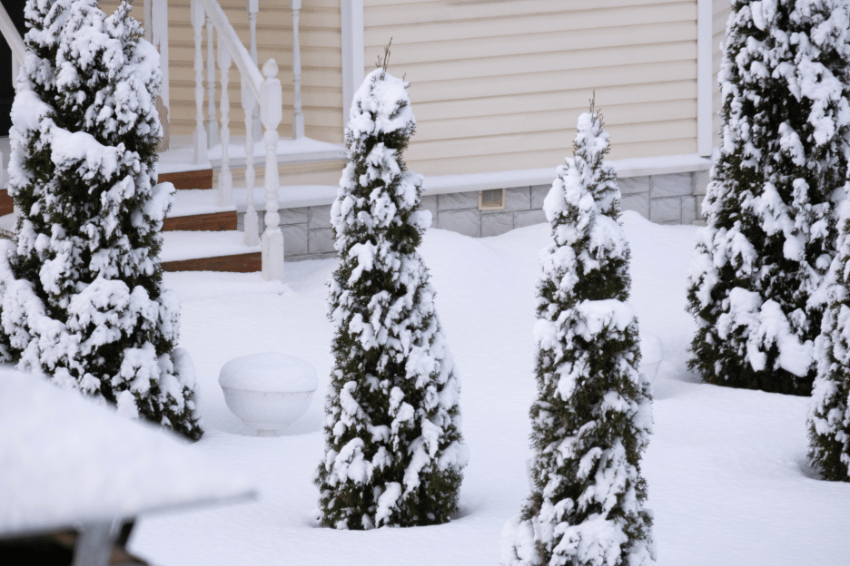
Evergreens are supposed to be the reliable ones. They keep their color, hold structure in the landscape, and make a property look cared for even when everything else goes dormant. But in Chicagoland winters, evergreen trees and shrubs can take a beating.
Freezing winds, sun exposure, dry air, salt spray, and frozen soil create a perfect recipe for browning needles, patchy branches, and stressed plants that limp into spring.
If you want your evergreens to stay healthy and look great through winter and beyond, it helps to understand what actually causes winter damage and what you can do about it. Here is a straightforward guide to protecting evergreen trees in winter, including what to avoid and a simple inspection list you can use on your property.
Why evergreens struggle in winter
Evergreens lose moisture through their needles year-round. In summer, that is not a big deal because their roots can replace what is lost. In winter, the ground can freeze, and the roots cannot pull enough water to keep up.
Add Chicagoland wind and bright winter sun, and you get moisture loss without replenishment. That imbalance is what leads to many common evergreen issues, especially winter burn.
What winter burn looks like and what causes it
Winter burn is one of the most common problems for evergreen trees in winter. You will typically see:
- Browning needles, especially on the windward side
- Discoloration on the south or southwest side of the plant
- Needle drop in late winter or early spring
The cause is usually dehydration. Wind and sun pull moisture from the needles while frozen soil prevents the plant from replacing it fast enough. The result is stressed foliage that turns bronze or brown.
Salt exposure: the hidden culprit near roads and sidewalks
In Chicagoland, salt damage is a major issue for winter evergreen trees, especially near:
- Driveways
- Sidewalks
- Streets and parking lots
- Plowed snow piles
Salt can harm evergreens in two main ways:
- Salt spray from traffic and plowing lands directly on needles and buds, drying them out and burning foliage.
- Salt runoff changes soil chemistry, making it harder for roots to absorb water and nutrients.
Salt damage often shows up as browning on the side facing the road or walkways, and it can worsen year after year if the soil is not addressed.
Watering on warm days: yes, winter watering matters
One of the most overlooked ways to protect evergreens in winter is simple: water them before the ground freezes, and keep an eye on moisture during warm spells.
For Chicagoland properties, a good approach is:
- Deep water in the fall until the ground freezes, especially for newly planted evergreens
- During winter thaws, water on a day above freezing if the soil is dry and accessible
- Focus on evergreens that are exposed to wind, sun, or road salt
Winter watering is not about soaking the landscape every week. It is about preventing drought stress when precipitation is low, and the plant cannot naturally replenish moisture.
Wrapping sensitive evergreens and using winter covers
Some evergreens are more sensitive than others, especially broadleaf evergreens and certain upright varieties that are prone to wind burn or breakage.
Winter covers for outdoor plants can help in a few key scenarios:
- Newly planted evergreens that have not established deep roots
- Plants in exposed, windy areas
- Evergreens near heavy sun reflection (south-facing walls, light-colored stone)
- Shrubs close to roads and sidewalks with heavy salting
What to use
For most protection, breathable materials are best, such as:
- Burlap wraps
- Burlap screens on stakes
- Purpose-built breathable covers designed for winter
The goal is to reduce wind and sun exposure while allowing airflow. Plastic is usually a bad idea because it traps moisture, increases heat swings, and can lead to fungal issues.
How to wrap properly
- Do not bind branches tightly with wrap material
- Create a screen or loose wrap that blocks wind but still breathes
- Secure wraps so they do not flap in high wind
- Avoid leaving wraps on too long into spring
A professional crew can do this quickly and safely, especially for larger shrubs, hedges, and evergreens in high-visibility areas.
What to avoid when protecting evergreens in winter
A lot of winter evergreen damage happens because of well-meaning mistakes. Here are a few common ones to avoid:
- Do not heavily prune evergreens late in the season. New growth is more vulnerable to winter injury.
- Do not use plastic wrapping. It can trap moisture and create temperature stress.
- Do not pile salty snow onto evergreen beds. It concentrates salt right where roots are.
- Do not ignore fall watering. Many winter issues start with a plant going into winter already dry.
- Do not fertilize late in the fall with high nitrogen. It can push tender growth at the wrong time.
How to reduce salt damage around evergreens
If your property relies on de-icing for safety, you can still protect winter evergreen trees with smart planning.
Practical steps that help
- Use salt alternatives when possible, especially near planting beds
- Apply de-icers carefully and avoid over-application
- Create physical barriers like burlap screens near roads and sidewalks
- Redirect plowed snow away from evergreen beds
- In spring, consider soil remediation if salt buildup is suspected
If salt exposure is chronic, it may also be worth rethinking plant placement or selecting more salt-tolerant evergreens in those zones.
Simple winter inspection list for evergreen trees and shrubs
A quick winter check can help you catch problems early and plan corrective action before damage worsens.
Use this checklist during fall prep and again mid-winter when conditions allow:
Evergreen Winter Inspection Checklist
Needles and foliage
- Are needles turning bronze or brown on one side?
- Is discoloration concentrated on the south/southwest side?
- Are there signs of salt spray (browning near roads and walks)?
Branch structure
- Are branches splaying outward from snow load?
- Are upright evergreens starting to lean or open up?
- Are any branches cracked, split, or at risk of breakage?
Soil and moisture
- Is the soil dry under the canopy during a thaw?
- Does the bed drain properly, or is it holding water and ice?
- Is mulch in place to stabilize temperature and moisture?
Exposure
- Is the plant fully exposed to wind corridors?
- Is there intense winter sun reflection from walls or hardscape?
- Is plowed snow being pushed into this planting area?
Protection
- Are sensitive plants wrapped or screened correctly?
- Are wraps secure and breathable?
- Is there room for airflow, or is moisture getting trapped?
If you notice early signs of winter burn or salt stress, a targeted plan can often reduce the impact before spring.
When to call a professional
Some winter tasks are simple. Others are worth handing to a crew with the right tools and experience, especially when you are managing a larger property or high-value landscape.
Consider professional help if:
- You have repeated winter burn on the same evergreens every year
- Salt exposure is causing a visible decline
- You need screens or wraps installed across multiple beds
- Upright evergreens need support against snow load
- You want a long-term planting plan that looks great year-round
Protect your evergreens this winter with The Martin John Company Team
Evergreens bring structure, color, and value to a landscape, but they need the right protection to handle Chicagoland winters. With the right watering plan, smart salt management, and proper winter covers for outdoor plants when needed, you can reduce damage and set your landscape up for a stronger spring.
If you want help protecting evergreen trees in winter, The Martin John Company can assess your site conditions, identify risk areas, and put a plan in place that fits your property and your goals.